7 Signs Your Commercial Roof Is a Good Candidate for Restoration
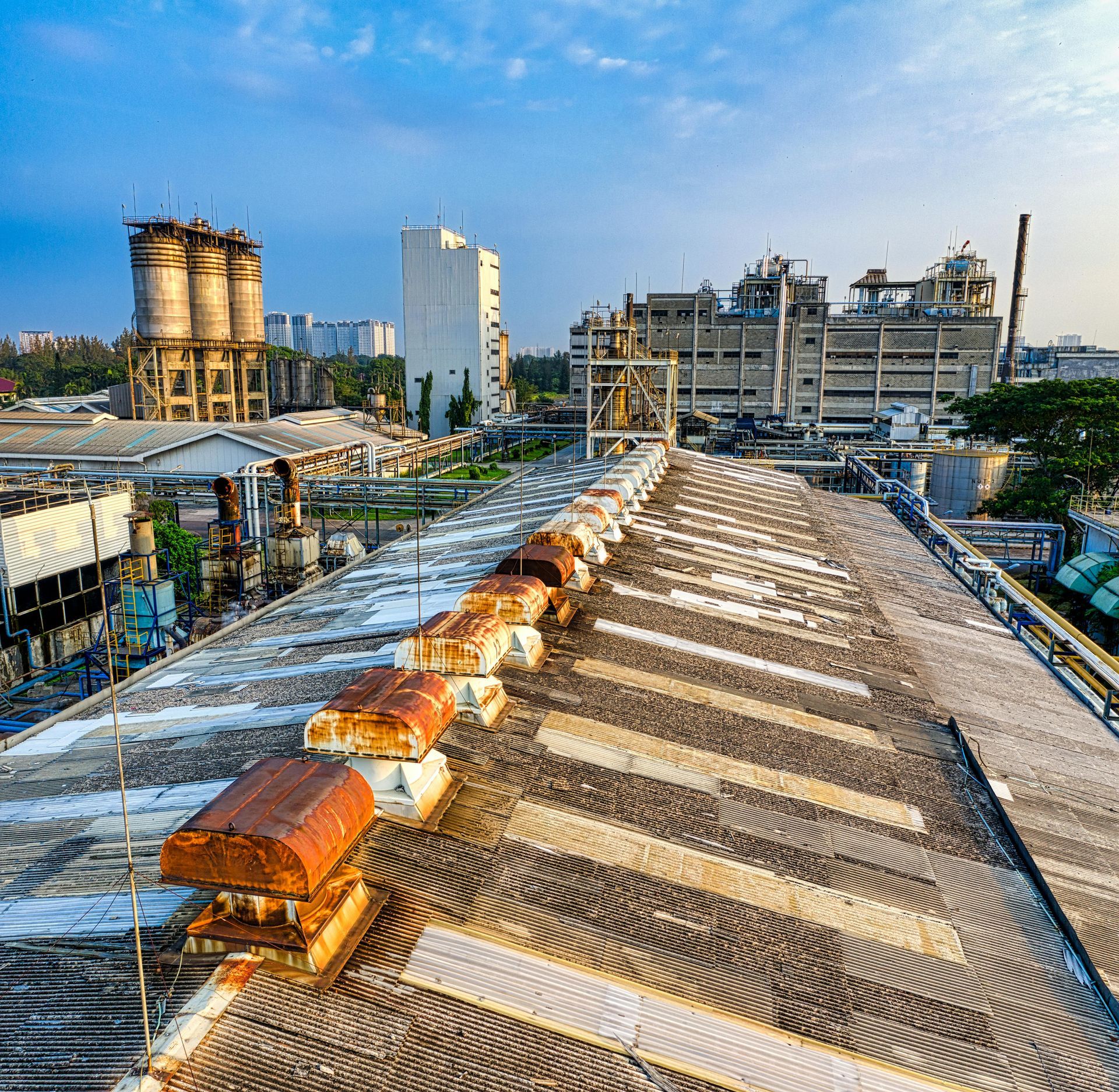
If your commercial roof is showing signs of wear, your first instinct might be to assume you need a full replacement. But in many cases, that’s not true—and acting too quickly could cost you significantly more than necessary.
Here’s the key takeaway:
Many commercial roofs can be restored instead of replaced, saving you thousands while extending the life of your existing system.
The challenge is knowing when restoration is a viable option. In this guide, we’ll break down the 7 most important signs your roof may be a strong candidate for restoration—and when replacement is actually the better choice.
What Is Commercial Roof Restoration?
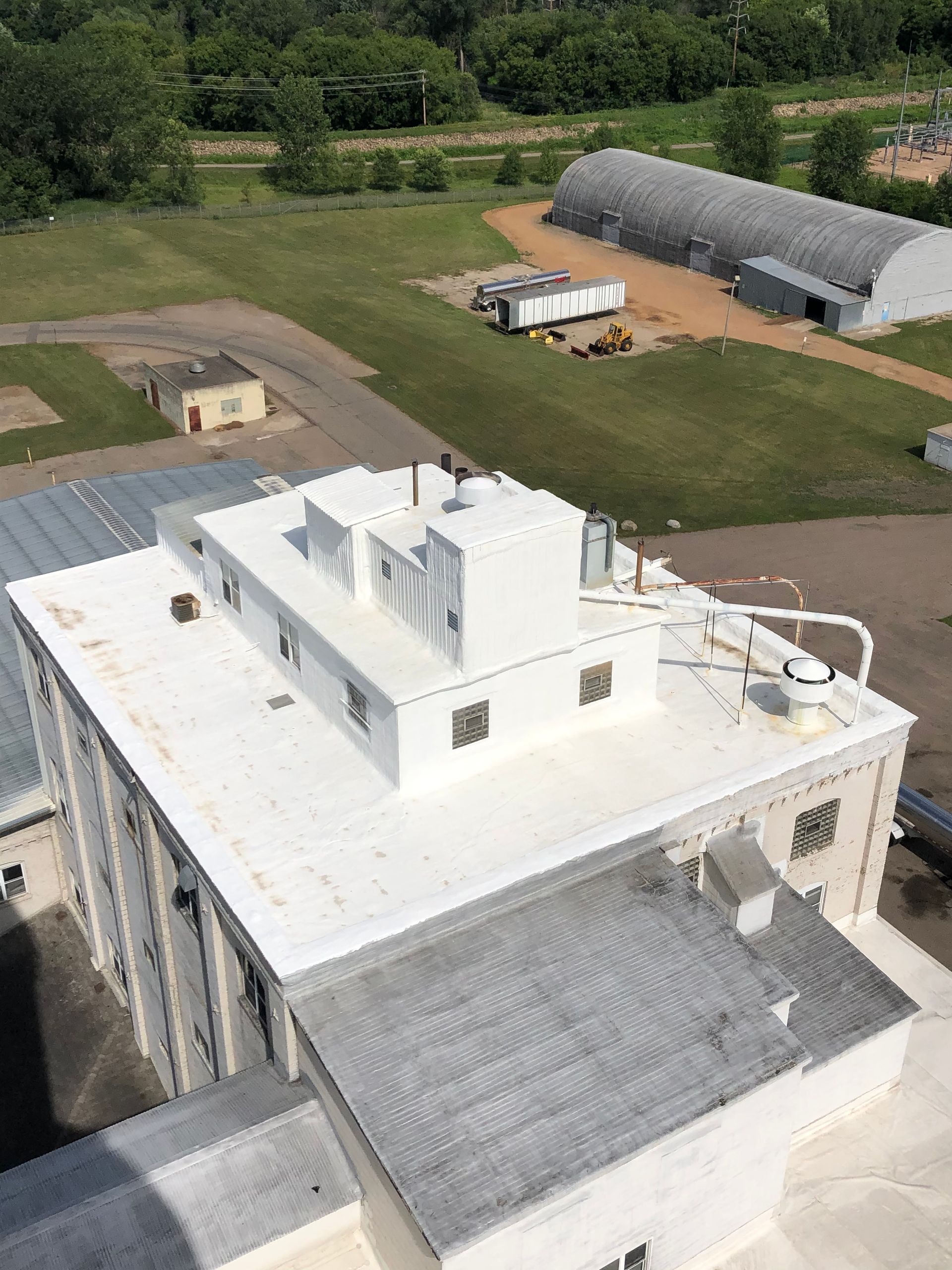
Roof restoration is the process of repairing, reinforcing, and coating your existing roof to extend its lifespan without a full tear-off.
This often includes:
- Addressing minor damage
- Sealing leaks
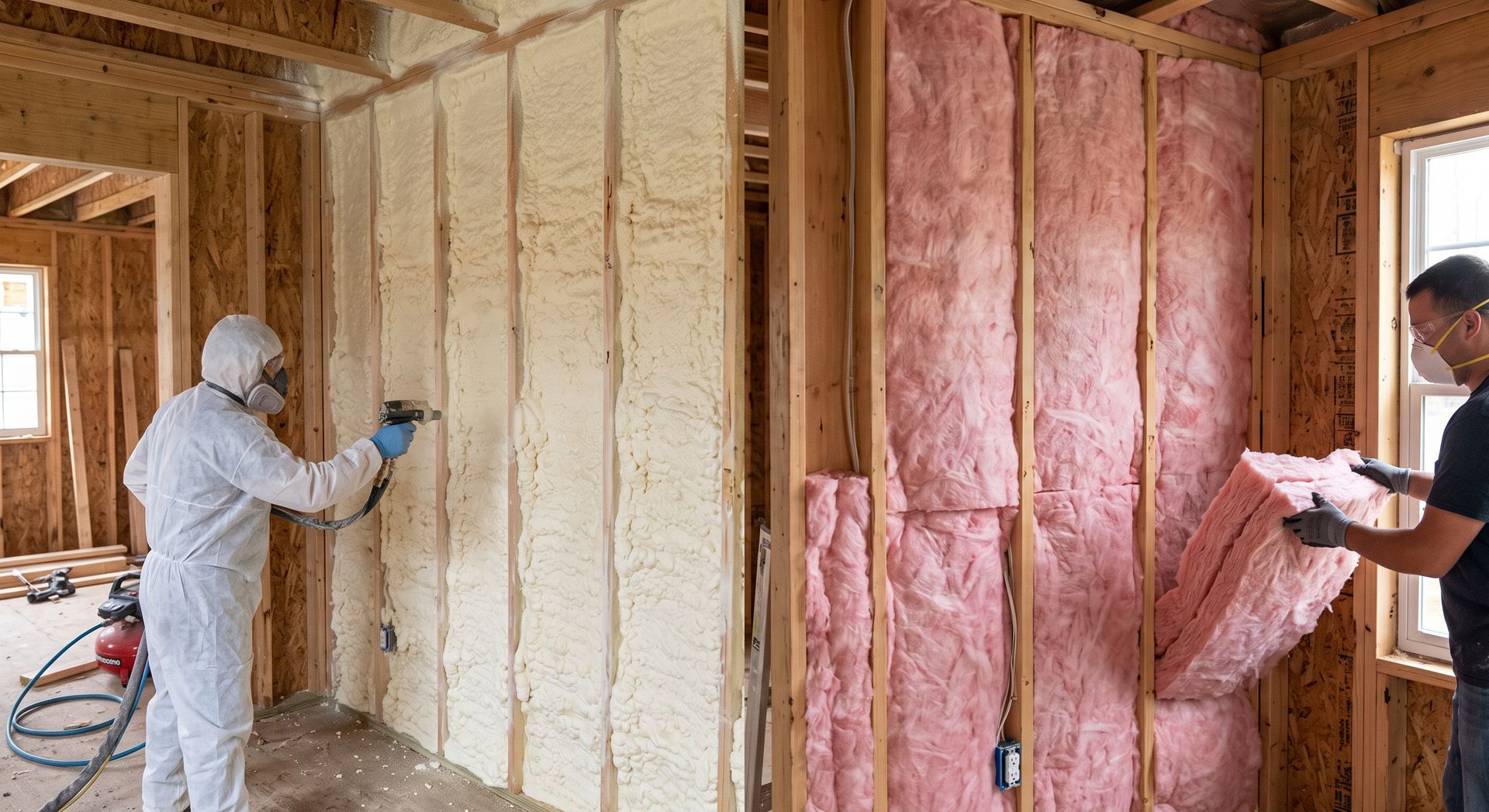
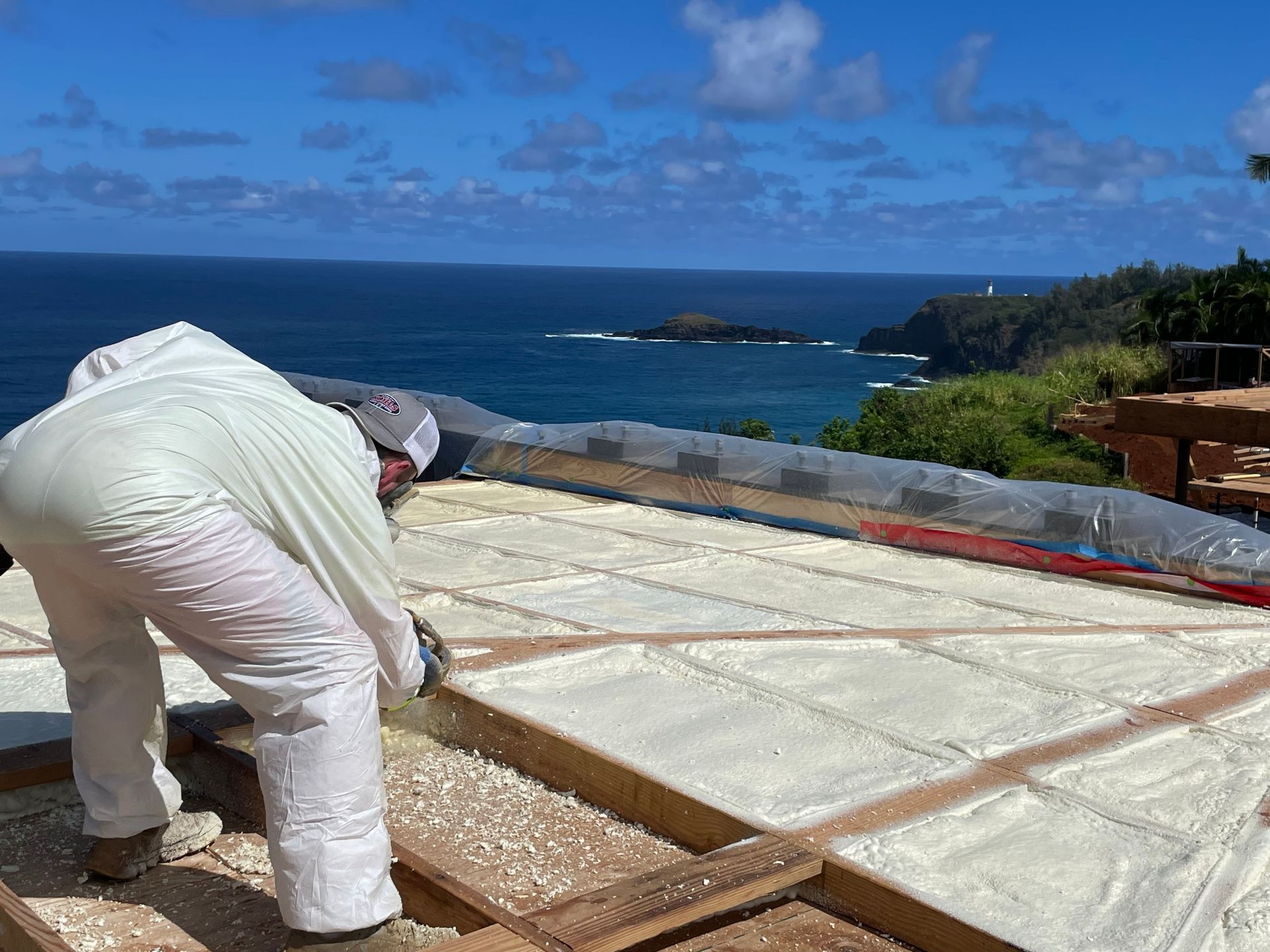
- Applying protective coatings or spray foam
- Improving waterproofing and insulation
For many building owners, restoration offers a faster, more cost-effective alternative to replacement.
Why Choosing Restoration Matters
Before diving into the signs, it’s important to understand why this decision matters.
Choosing restoration when appropriate can:
- Reduce project costs by 30–70%
- Minimize business disruption
- Extend roof life by 10–20+ years
- Improve energy efficiency
For commercial properties in Minnesota, where weather conditions are harsh, making the right call can have long-term financial benefits.
Sign #1: Your Roof Is Structurally Sound
The most important factor is the structural integrity of your roof.
If your roof deck and underlying system are still in good condition, restoration is often a strong option.
What to look for:
- No major sagging
- No widespread rot or deterioration
- Stable decking
If the structure is intact, there’s no need to tear everything off.
Sign #2: Leaks Are Isolated (Not Widespread)
Leaks don’t automatically mean you need a new roof.
In fact, many leaks are caused by:
- Seams
- Flashing issues
- Penetrations (vents, HVAC units, etc.)
Good candidate for restoration:
- A few localized leaks
- Leaks that can be traced to specific problem areas
Not ideal for restoration:
- Widespread moisture throughout the system
A professional inspection can determine the extent of water intrusion.
Sign #3: The Roof Surface Is Aging but Not Failing
Over time, all roofing systems show signs of wear.
Common indicators include:
- Surface cracking
- Minor blistering
- UV degradation
- Fading or coating wear
These are normal aging signs—not necessarily failure.
Restoration systems like coatings or spray foam can renew the surface and protect it from further damage.
Sign #4: You’re Experiencing Rising Energy Costs
If your building’s heating and cooling costs are increasing, your roof may be part of the problem.
Older roofs often:
- Lose insulating properties
- Allow air leaks
- Absorb more heat
Restoration systems—especially spray foam—can:
- Add insulation
- Seal air leaks
- Improve thermal performance
This is particularly valuable in Minnesota’s cold climate.
Sign #5: Your Roof Has Ponding Water Issues
Flat and low-slope roofs commonly develop ponding water.
If left unaddressed, this can lead to:
- Accelerated deterioration
- Leaks
- Structural stress
The good news:
Spray foam restoration can correct drainage issues by adding slope and eliminating low spots.
This makes it a strong solution for buildings dealing with standing water.
Sign #6: Your Roof Is Nearing the End of Its Warranty
When a roof warranty expires, many owners assume replacement is required.
But that’s not always the case.
If your roof is still in decent condition:
- Restoration can extend its life significantly
- You can avoid the cost of replacement
- You can reset performance expectations
This is one of the most common scenarios where restoration makes financial sense.
Sign #7: You Want to Avoid Business Disruption
Full roof replacements can be disruptive:
- Noise and debris
- Longer timelines
- Potential exposure during tear-off
Restoration, on the other hand:
- Is faster
- Requires less labor
- Keeps your building protected during installation
For occupied commercial buildings, this is a major advantage.
When Restoration Is NOT the Right Choice
While restoration is often ideal, there are cases where replacement is necessary.
These include:
- Severe structural damage
- Extensive water saturation
- Multiple failed roofing systems
- Unsafe decking
In these situations, restoration may only provide a temporary fix.
Types of Commercial Roofs That Can Be Restored
Many roofing systems are compatible with restoration:
- Metal roofs
- Single-ply membranes (TPO, EPDM, PVC)
- Built-up roofing systems
- Modified bitumen
This versatility makes restoration a practical option for a wide range of buildings.
Minnesota-Specific Considerations
Commercial roofs in Minnesota face unique stressors:
- Freeze-thaw cycles
- Heavy snow loads
- Ice buildup
- Temperature extremes
These conditions can accelerate wear—but they also make restoration more valuable.
A properly restored roof:
- Resists moisture intrusion
- Improves insulation
- Handles seasonal stress more effectively
Cost Benefits of Roof Restoration
One of the biggest advantages of restoration is cost savings.
Compared to replacement:
- Lower upfront investment
- Reduced labor costs
- No tear-off or disposal fees
In many cases, restoration allows building owners to delay or avoid a major capital expense.
Frequently Asked Questions
How do I know if my roof can be restored?
A professional inspection is required, but if the structure is sound and damage is limited, restoration is often possible.
Is restoration cheaper than replacement?
Yes, in most cases restoration is significantly more affordable.
How long does a restored roof last?
Depending on the system, restoration can extend roof life by 10–20+ years.
Can restoration fix leaks?
Yes, restoration systems are designed to seal and prevent leaks.
How long does the process take?
Most restoration projects are completed much faster than full replacements.
Call to Action
If your commercial roof is showing signs of wear, don’t assume replacement is your only option.
Kohl's Foam Systems, Inc. specializes in evaluating and restoring commercial roofs to extend their lifespan and improve performance.
Call (612) 708-4111 today or visit:
[Kohl's Foam Systems – https://www.kohlsfoamsystems.com/]
Serving Eden Prairie, Minneapolis, and the surrounding Minnesota areas, as well as Colorado, Florida, Hawaii, and Illinois.
recent posts