Commercial Roof Leaks After Winter: What Minneapolis Building Owners Should Check First
Commercial roof leaks often become noticeable as a Minnesota winter ends. Snow begins melting, temperatures move above and below freezing, and water finds weaknesses that may have developed or worsened during the colder months. For commercial building owners in Minneapolis, Golden Valley, and St. Louis Park, a spring leak should be treated as a sign that the entire affected area of the roofing system deserves attention—not simply the spot where water appears indoors.
The good news is that a leak does not automatically mean you need a complete roof replacement. Depending on the condition of the existing roof, targeted repairs or commercial roof restoration may be possible. The first step is identifying where the water is entering and understanding the overall condition of the roofing system.
Why Commercial Roof Leaks Often Appear After Winter
Minnesota winters expose commercial roofs to a difficult combination of snow, ice, wind, prolonged cold, and changing temperatures.
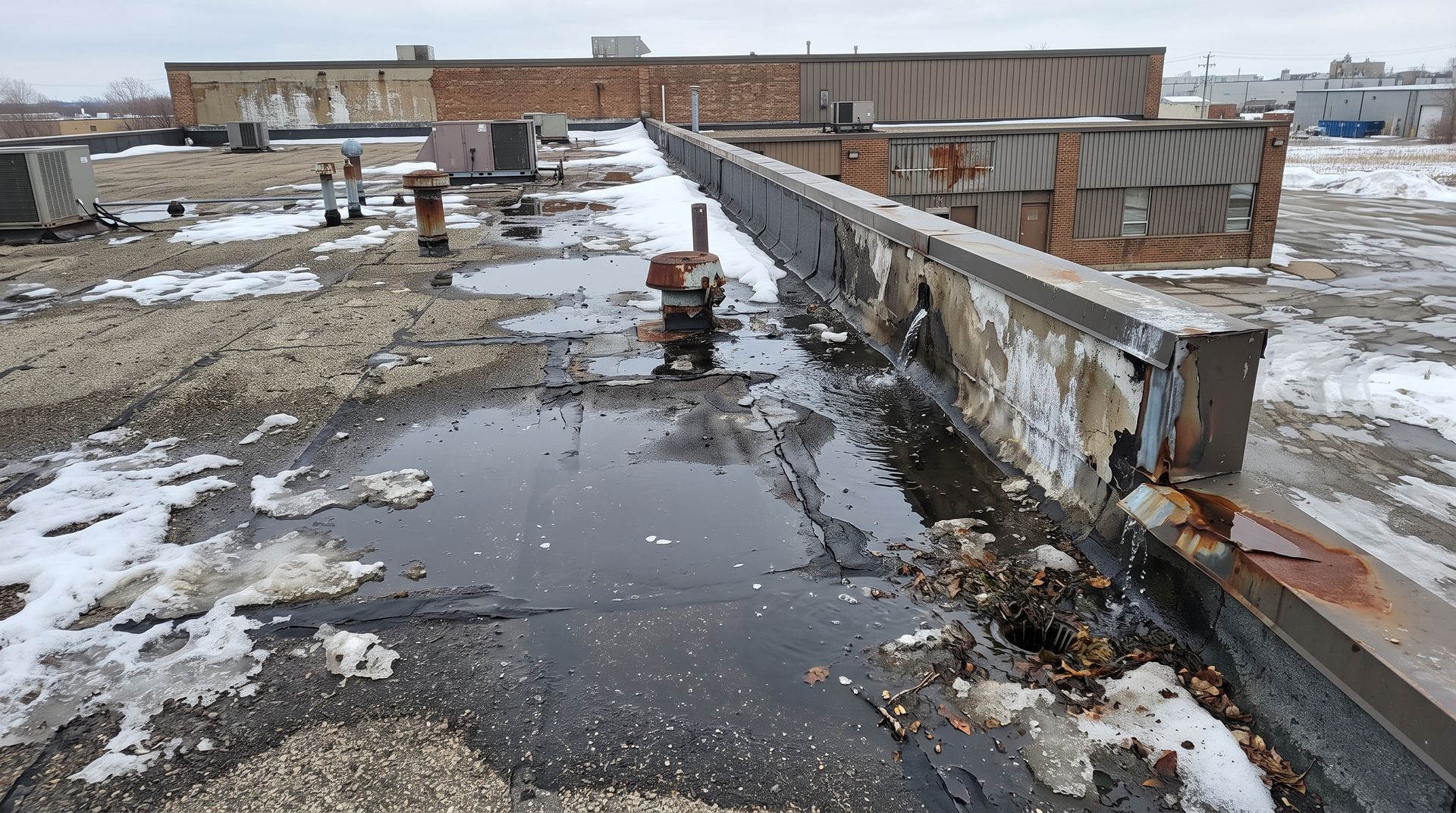
As spring approaches, accumulated snow and ice begin to melt. That creates a large amount of water that must move across the roof and into drains, gutters, scuppers, or other drainage components.
If the roofing system has damaged seams, deteriorated flashing, cracks, loose materials, or other vulnerable areas, melting snow may reveal those problems.
This is especially important on low-slope commercial roofs. Water does not simply run quickly off these roofs as it might on a steep residential roof. Proper drainage and a sound roofing surface are essential.
Check Roof Drains and Drainage Areas First
One of the first areas to evaluate after winter is the drainage system.
Roof drains can become obstructed by debris, ice, leaves, sediment, or other materials. When water cannot move away efficiently, it can collect in low areas.
Standing or slow-draining water does not necessarily identify the source of a leak, but it can expose existing weaknesses and place additional demands on the roofing system.
Building owners should look for signs that water is remaining on the roof longer than expected after snowmelt or rainfall.
Properties in Minneapolis and nearby St. Louis Park often include large commercial buildings with substantial low-slope roof areas. On these buildings, keeping drainage paths clear is an important part of routine maintenance.
Inspect Seams and Transitions
Seams are another important area to examine.
Commercial roofing systems frequently contain seams or transitions where roofing materials meet. These areas can be affected by age, installation quality, movement, weather exposure, and previous repairs.
Seasonal temperature changes can cause roofing materials and metal components to expand and contract. Over time, existing weaknesses may become more pronounced.
An inspection should look for separated seams, loose materials, cracking, deterioration, or evidence that an older repair is no longer performing as intended.
The appropriate repair method depends on the roof type, which is why identifying the existing roofing system is important before deciding how to address a leak.
Pay Attention to Roof Penetrations
Commercial roofs frequently contain HVAC equipment, vents, pipes, curbs, skylights, and other penetrations.
Every penetration creates a transition that must remain properly sealed and integrated with the roofing system.
After a Minnesota winter, these areas deserve close attention.
Water entering near a penetration can travel before it becomes visible inside the building. A ceiling stain several feet away from rooftop equipment does not necessarily mean the roof directly above the stain is the source.
A professional inspection can trace likely water-entry points and evaluate the surrounding roofing materials.
Examine Flashing and Roof Edges
Flashing protects some of the most vulnerable transitions on a commercial roof.
It may be found around walls, penetrations, curbs, edges, and other areas where the roof changes direction or meets another building component.
Wind, temperature changes, aging materials, and previous repairs can affect flashing performance.
Roof perimeters are also worth examining after severe winter conditions. Loose or deteriorated materials at edges should be addressed before wind or water causes a larger problem.
For commercial properties in Golden Valley, where offices, industrial properties, warehouses, and other facilities may have different roofing configurations, the inspection should reflect the specific roof rather than rely on a generic checklist alone.
Look for Surface Cracks, Blisters, or Deterioration
Visible changes to the roofing surface can provide clues about the roof's condition.
Depending on the system, inspectors may find cracking, blistering, worn coating, punctures, damaged membrane areas, or other surface deterioration.
Not every visible imperfection means a roof is failing. However, changes should be evaluated in context.
A small damaged area on an otherwise serviceable roof may require a localized repair. Widespread deterioration may suggest that a larger restoration project should be considered.
The goal is to determine the extent of the problem before selecting the solution.
Check Previous Roof Repairs
Older repairs should be part of every commercial roof inspection.
A patch that stopped a leak several years ago may eventually deteriorate. Repeated repairs in the same area can also indicate that the underlying problem has never been fully addressed.
Building owners should keep records of roof inspections, leaks, repairs, restoration projects, and other maintenance whenever possible.
This history can help a contractor identify patterns.
If the same area repeatedly leaks after snowmelt or heavy rain, it may be time to investigate the broader roof assembly rather than applying another temporary patch.
Don't Assume the Interior Leak Is Directly Below the Problem
This is one of the most important things commercial property owners should understand.
Water can move through a building assembly before it becomes visible.
It may travel along decking, insulation, structural components, pipes, or other materials. The point where water drips from a ceiling may therefore be different from the point where it entered through the roof.
That is why diagnosing commercial roof leaks can require more than visually inspecting the area directly above an interior stain.
Finding the source before making repairs can reduce the likelihood of spending money on work that does not solve the actual problem.
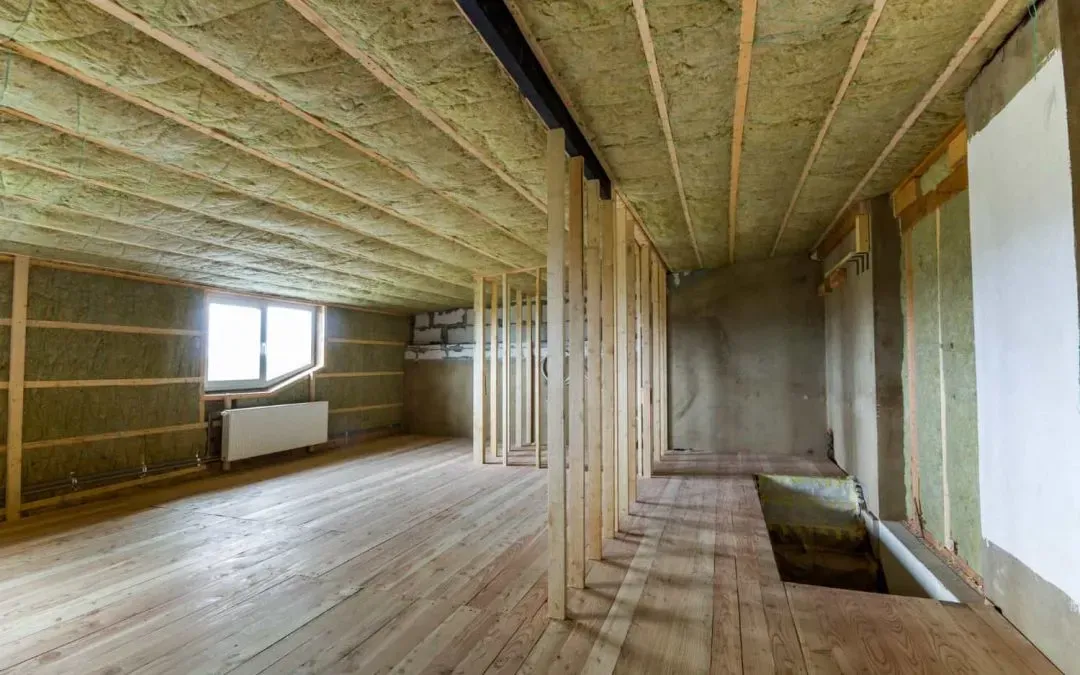
Determine Whether Insulation Has Been Affected
Roof leaks can sometimes affect more than the exterior roofing surface.
If moisture reaches insulation within the roof assembly, the condition and extent of the affected material should be evaluated.
Wet or damaged insulation can complicate a restoration project and may require localized removal or replacement.
This is another reason early leak detection matters.
Addressing a problem soon after it develops can help limit the area affected by moisture and preserve more options for repairing or restoring the existing roof.
Can a Leaking Commercial Roof Be Restored?
In some cases, yes.
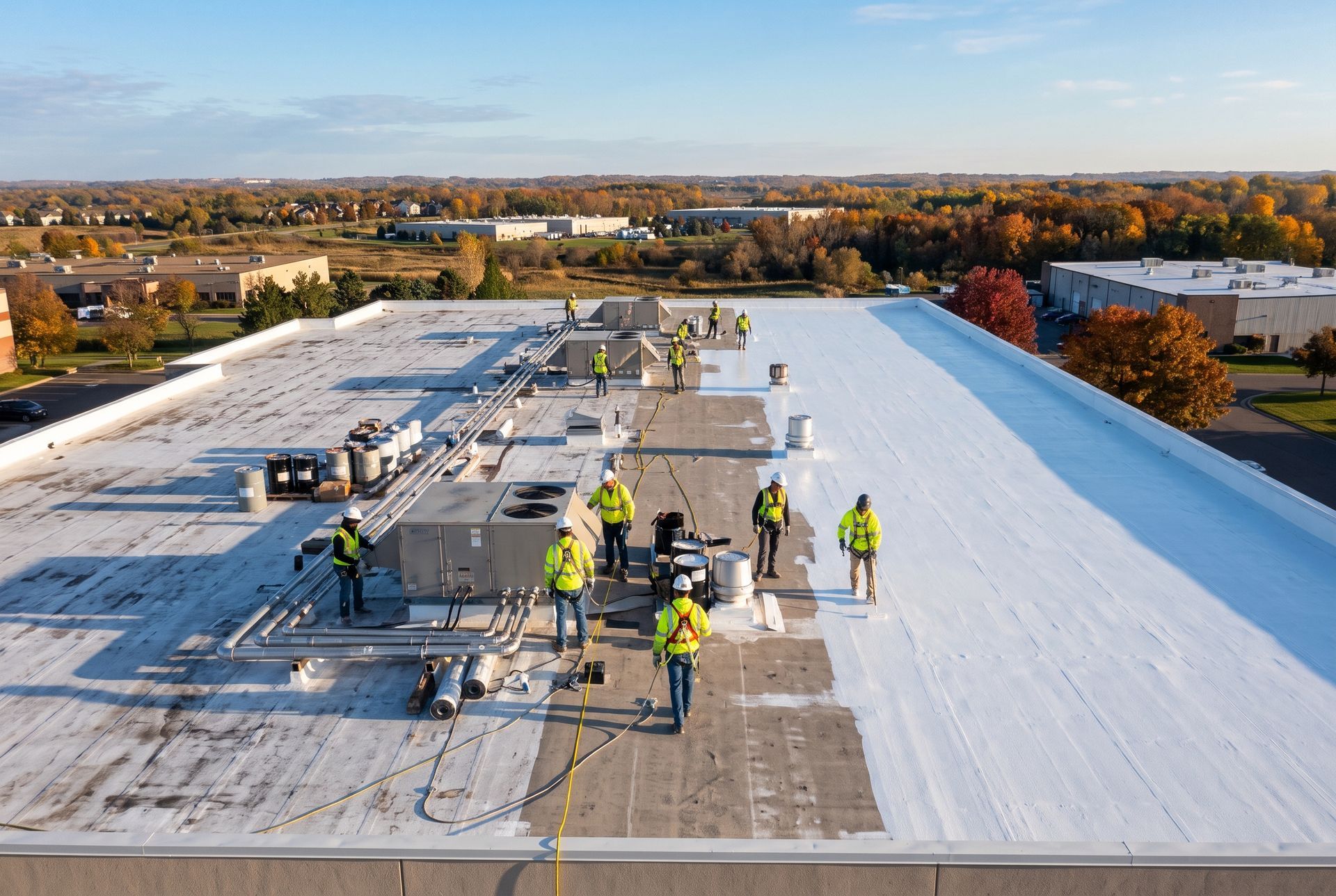
Commercial roof restoration can be an alternative to complete replacement when the existing roofing system remains an appropriate candidate.
The roof must first be inspected to determine its condition. Areas with damage or moisture may require corrective work before a restoration system is installed.
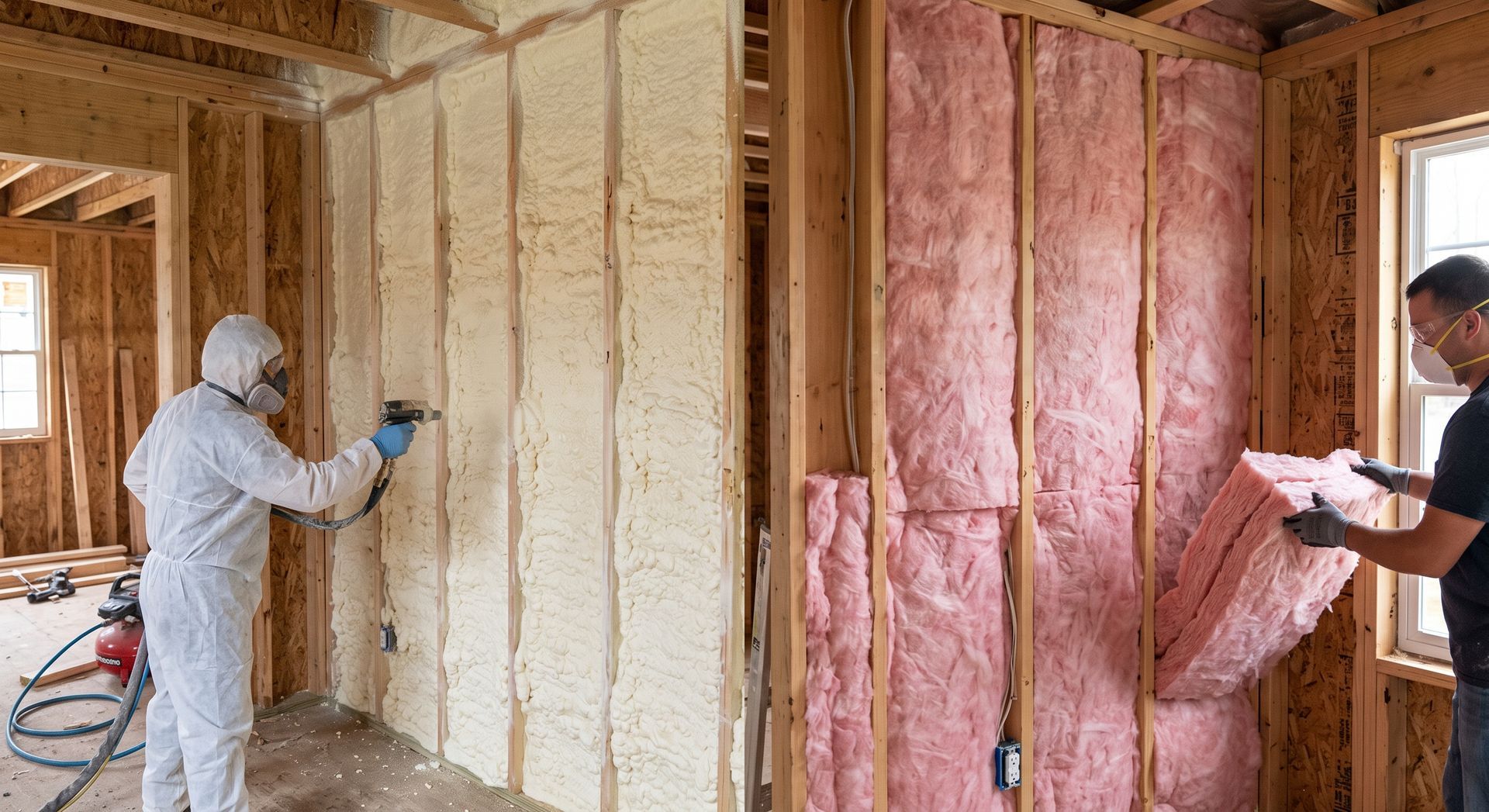
Depending on the existing roof, restoration options can include protective roof coatings, spray polyurethane foam roofing, metal roof restoration, or systems designed for certain single-ply roofs.
Restoration should not be viewed as a way to cover unresolved water problems. Proper evaluation, preparation, and repairs are essential.
When Is Roof Replacement More Appropriate?
Some commercial roofs are no longer good candidates for restoration.
A complete replacement may need to be considered when deterioration is extensive, moisture is widespread, the underlying assembly has significant problems, or the existing system cannot provide a suitable foundation for restoration.
Structural concerns also require appropriate professional evaluation.
The important point is that a leak alone does not answer the repair-versus-replacement question.
Two commercial roofs can both leak and require completely different solutions based on their condition.
Schedule a Spring Commercial Roof Inspection
For Minnesota commercial properties, spring is an ideal time to assess what happened over winter.
Once snow and ice have cleared sufficiently, a roof inspection can identify maintenance needs before summer storms and the next winter season.
Owners can use that information to prioritize immediate repairs and begin planning for larger restoration work if necessary.
Scheduling early also gives facility managers more control over budgeting and project timing instead of waiting for an emergency leak to force a decision.
Frequently Asked Questions
Why does my commercial roof leak when snow starts melting?
Snowmelt creates a large amount of water that must drain from the roof. Existing weaknesses in seams, flashing, penetrations, or other roof details may become apparent during this period, particularly if drainage is restricted.
Does a commercial roof leak mean I need a new roof?
No. Some leaks can be addressed through repairs or restoration. The appropriate solution depends on the source of the leak, the condition of the existing roof, and whether moisture has affected other parts of the assembly.
Can commercial roof coatings stop leaks?
Roof coatings can be part of a restoration system for appropriate roofs, but existing defects must be evaluated and properly addressed first. Coating over an unresolved roofing problem is not a substitute for correct preparation and repairs.
When should Minneapolis businesses inspect their commercial roofs?
Spring and fall are useful inspection periods, along with inspections following significant weather events or whenever signs of water intrusion appear.
Who should I call for a commercial roof leak near Minneapolis?
Look for a contractor experienced with the type of commercial roofing system installed on your building and with both repair and restoration options. Understanding multiple solutions can help determine whether the existing roof can be preserved.
Get Your Commercial Roof Evaluated After Winter
A spring roof leak is a warning worth investigating, but it does not automatically mean your building needs a complete tear-off.
Kohls Foam Systems, Inc. helps commercial property owners evaluate existing roofing systems and determine whether repair, restoration, spray foam roofing, roof coatings, or another solution is appropriate.
For commercial buildings in Minneapolis, Golden Valley, St. Louis Park, and surrounding Twin Cities communities, call Kohls Foam Systems at (612) 708-4111 to discuss your roof and schedule an evaluation.
recent posts