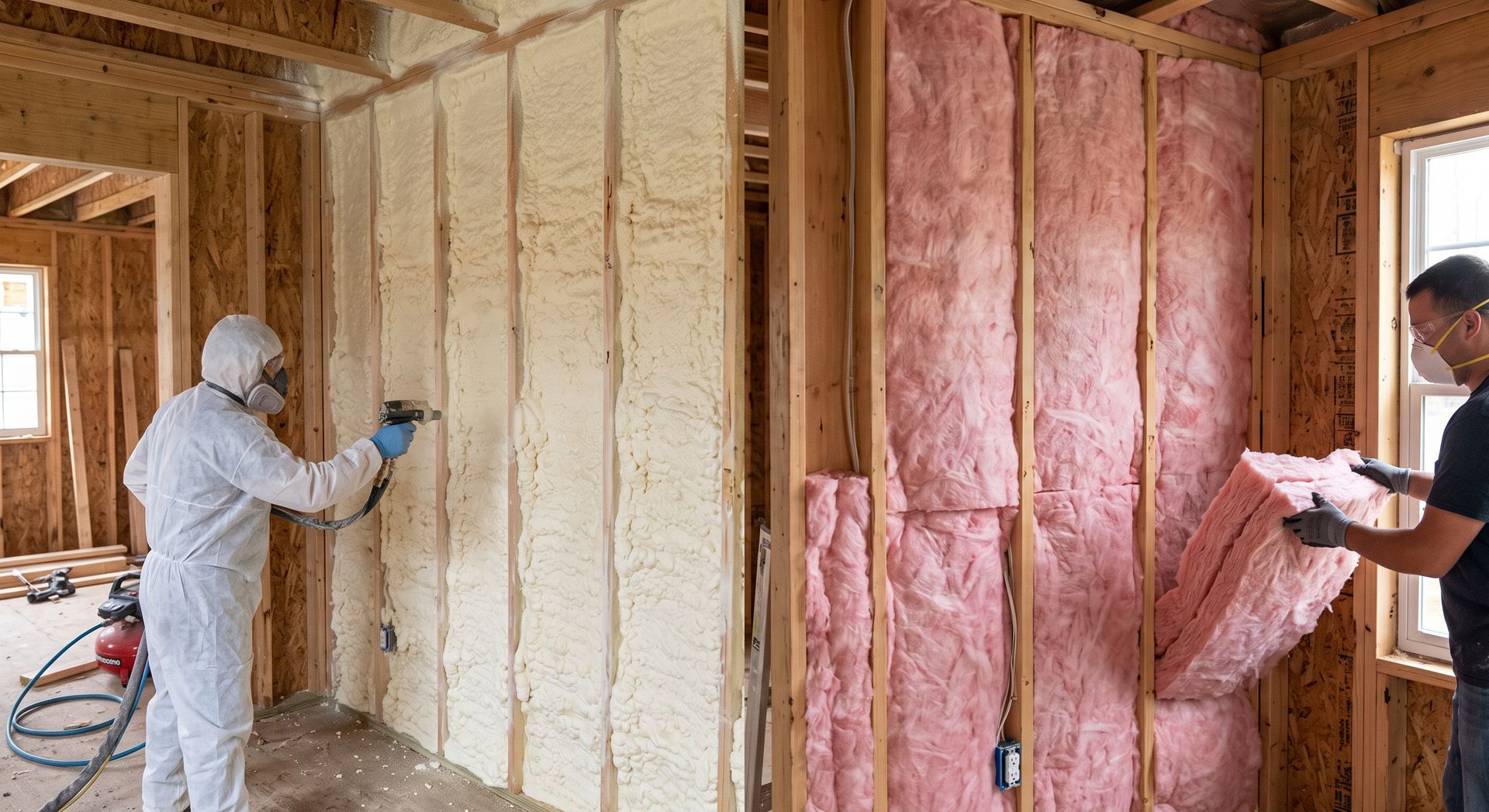
Best Insulation for Minnesota Homes: Spray Foam, Fiberglass, or Hybrid?

Choosing the best insulation for your home in Minnesota is one of the most important decisions you can make for comfort, energy efficiency, and long-term cost savings. With extreme winters, temperature swings, and moisture concerns, not all insulation performs the same.
Here’s the key takeaway:
For Minnesota homes, the best insulation is often a combination of spray foam and fiberglass—using spray foam for air sealing and fiberglass for cost-effective coverage.
However, the right solution depends on your home, your budget, and your performance goals. In this guide, we’ll break down each option and help you determine what works best.
Why Insulation Matters More in Minnesota
Minnesota’s climate creates unique challenges for homeowners.
Homes must handle:
- Long, cold winters
- Freezing temperatures
- Snow and ice buildup
- Humidity and condensation
Without proper insulation, you may experience:
- High heating bills
- Drafty rooms
- Ice dams
- Moisture issues
The right insulation system helps prevent all of these problems.
Overview of Insulation Options
There are three main insulation approaches used in Minnesota homes:
- Spray foam insulation
- Fiberglass insulation
- Hybrid systems (combining both)
Each has its strengths and ideal use cases.
Spray Foam Insulation
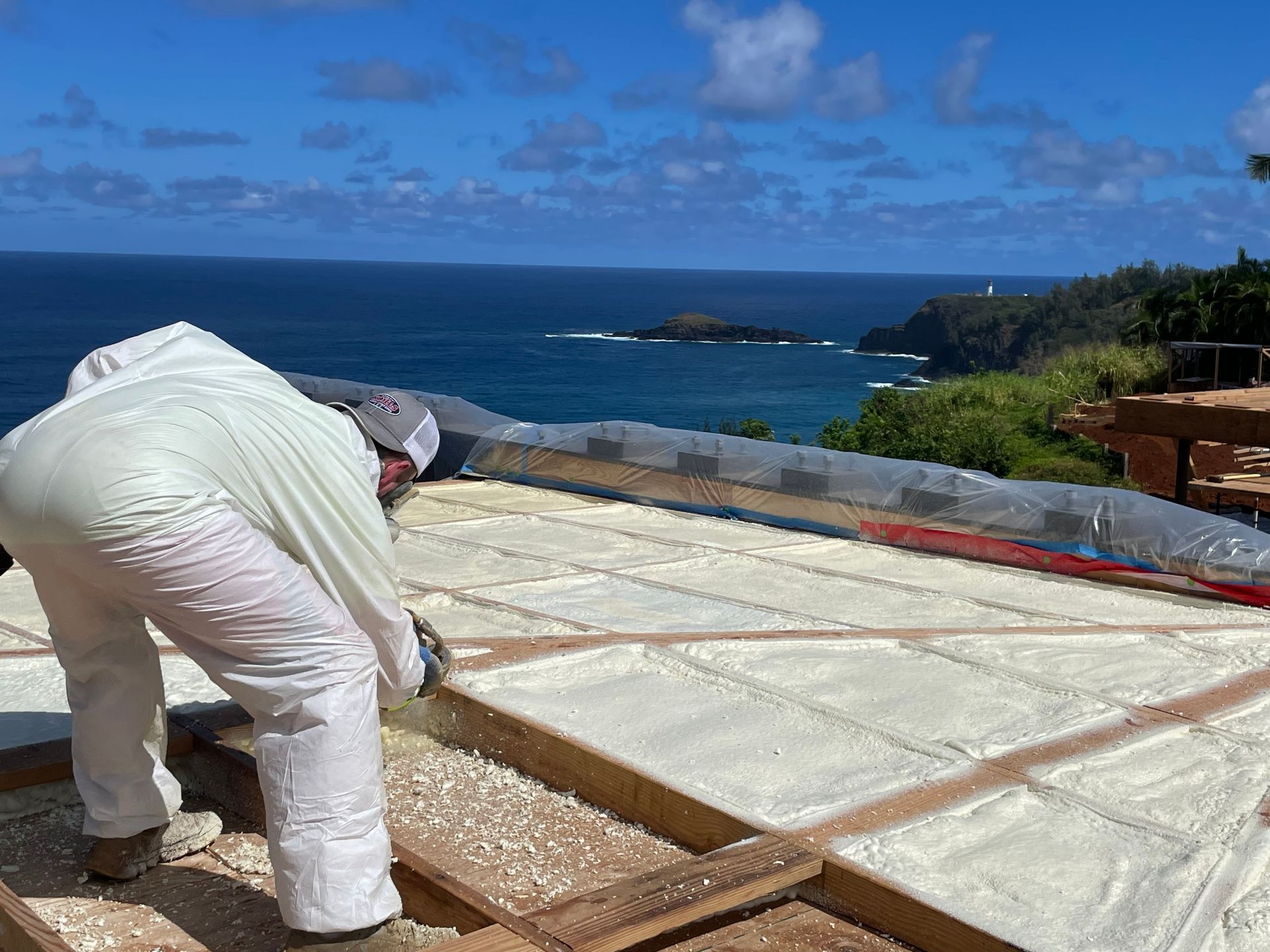
Spray foam is a high-performance insulation that expands to fill gaps and cracks, creating an airtight seal.
Advantages
- Excellent air sealing
- High R-value per inch
- Moisture resistance
- Reduces drafts and heat loss
Best Uses
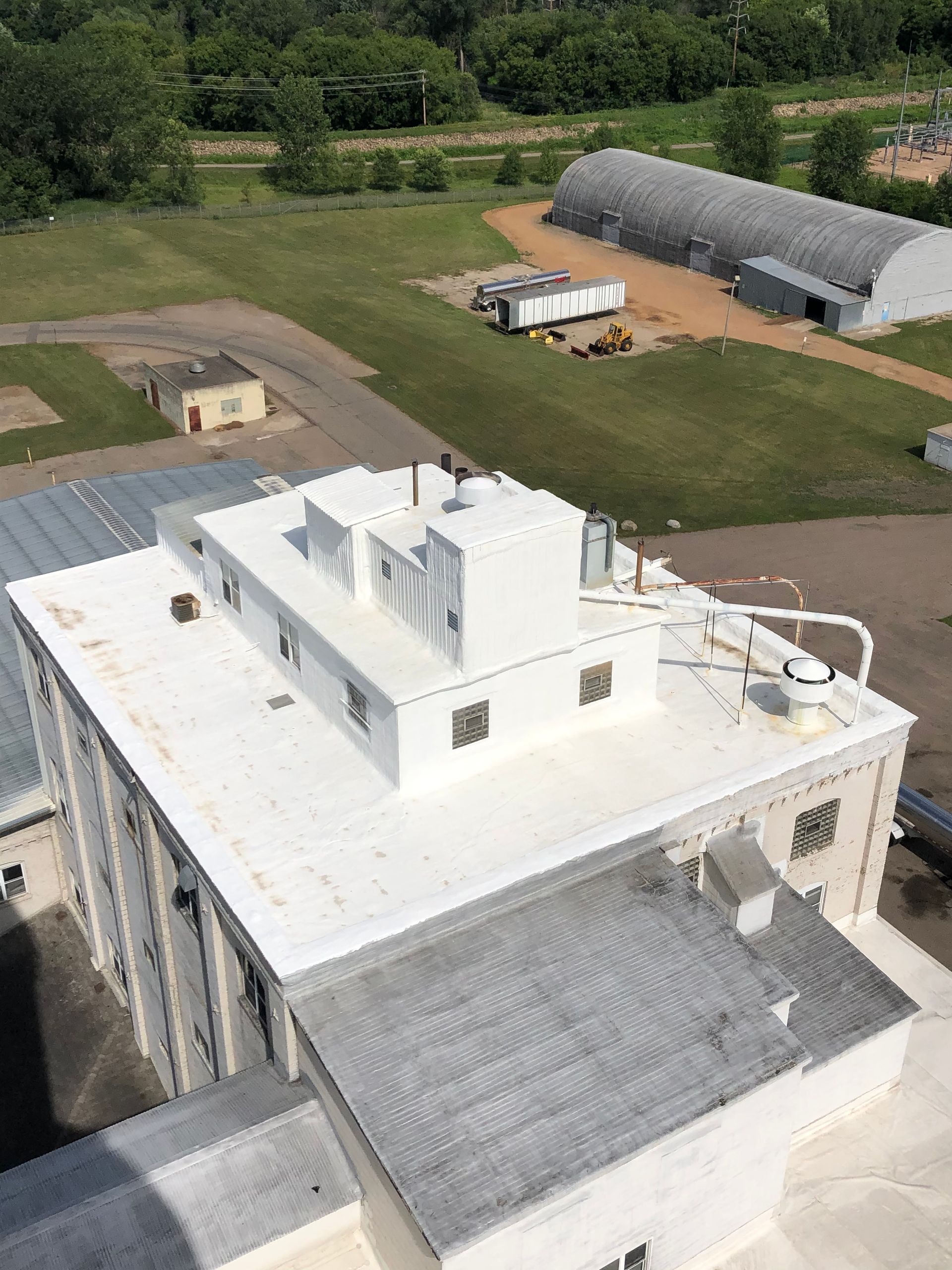
- Attics and rooflines
- Rim joists and basements
- Walls with air leakage issues
Why It Works in Minnesota
Spray foam helps prevent heat loss during winter and reduces moisture problems, making it ideal for cold climates.
Fiberglass Insulation
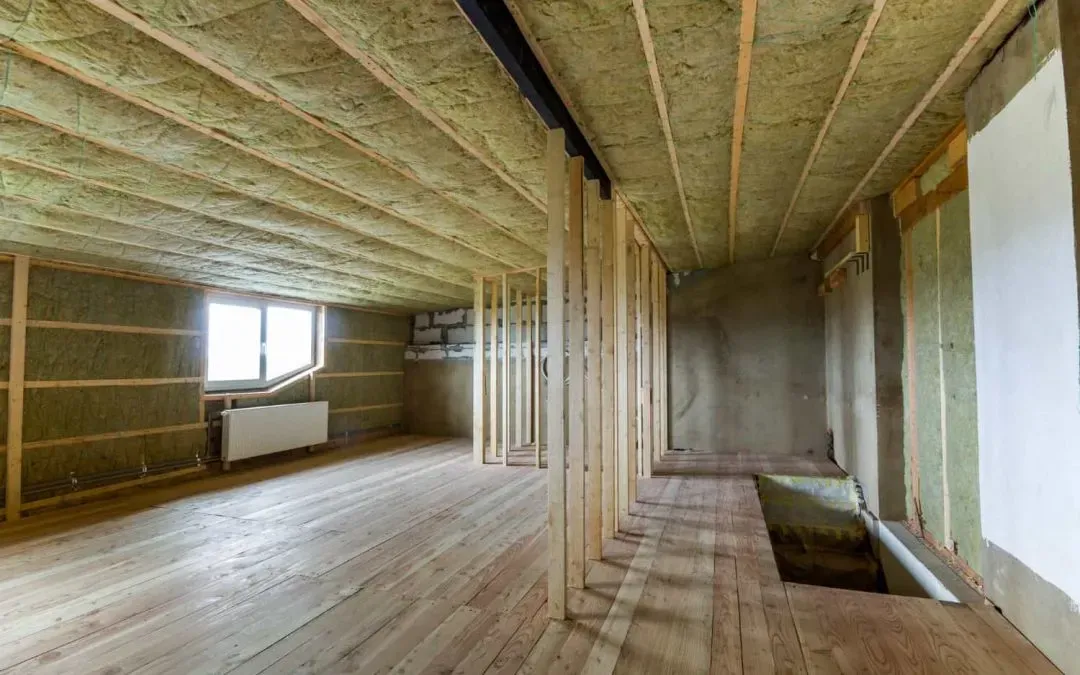
Fiberglass is the most common insulation material used in homes.
Advantages
- Lower upfront cost
- Widely available
- Effective when properly installed
Best Uses
- Standard wall cavities
- Attics (blown-in fiberglass)
- Budget-conscious projects
Limitations
- Does not seal air leaks
- Can lose performance if compressed or wet
Hybrid Insulation Systems
Hybrid systems combine spray foam and fiberglass to balance performance and cost.
How It Works
- Spray foam is used in key areas for air sealing
- Fiberglass is used to fill larger spaces
Benefits
- Improved energy efficiency
- Lower cost than full spray foam
- Better performance than fiberglass alone
This is one of the most common and effective approaches for Minnesota homes.
Comparing Performance
Energy Efficiency
- Spray foam: Highest efficiency
- Fiberglass: Moderate efficiency
- Hybrid: Balanced performance
Air Sealing
- Spray foam: Excellent
- Fiberglass: Poor without additional sealing
- Hybrid: Strong when foam is used strategically
Moisture Control
- Spray foam: Strong resistance
- Fiberglass: Can absorb moisture
- Hybrid: Improved performance
Cost
- Spray foam: Highest upfront cost
- Fiberglass: Lowest cost
- Hybrid: Mid-range
Best Areas to Insulate in Minnesota Homes
To maximize performance, focus on key areas:
Attics
- Major source of heat loss
- Spray foam or blown-in fiberglass recommended
Walls
- Spray foam for air sealing
- Fiberglass for cost-effective coverage
Basements and Rim Joists
- Spray foam is ideal due to moisture and air leakage
Crawl Spaces
- Spray foam helps control moisture and drafts
How Insulation Affects Energy Bills
Proper insulation can significantly reduce energy costs.
Benefits include:
- Lower heating expenses in winter
- Reduced cooling costs in summer
- More consistent indoor temperatures
Over time, higher-performance insulation often pays for itself.
Common Mistakes Homeowners Make
Avoid these common insulation mistakes:
- Choosing based on price alone
- Ignoring air sealing
- Under-insulating key areas
- Hiring inexperienced installers
These mistakes can reduce effectiveness and lead to higher costs later.
When to Upgrade Your Insulation
You may need an upgrade if you notice:
- High energy bills
- Drafts or uneven temperatures
- Ice dams
- Old or damaged insulation
Upgrading insulation can improve comfort and reduce long-term costs.
Long-Term Value and ROI
While spray foam has a higher upfront cost, it often delivers better long-term value through:
- Energy savings
- Improved comfort
- Reduced maintenance
Hybrid systems offer a strong balance between cost and performance.
Frequently Asked Questions
What is the best insulation for cold climates?
Spray foam or hybrid systems are typically the best choices for cold climates like Minnesota.
Is spray foam worth the cost?
Yes, for many homeowners, the energy savings and performance justify the investment.
Can I combine spray foam and fiberglass?
Yes, hybrid systems are highly effective and commonly used.
How long does insulation last?
Most insulation lasts decades, but performance can degrade over time.
How do I know what my home needs?
A professional evaluation can determine the best insulation strategy.
Call to Action
Choosing the right insulation is key to improving comfort, efficiency, and long-term value in your home.
Kohls Foam Systems, Inc. provides expert insulation solutions tailored to Minnesota homes, including spray foam, fiberglass, and hybrid systems.
Call
(612) 708-4111 or visit:
[Kohls Foam Systems – https://kohlsfoamsystems.com/]
Serving Eden Prairie, Minneapolis, and across Minnesota, as well as Colorado, Florida, Hawaii, and Illinois.