Spray Foam Insulation vs Fiberglass: Which Is Better for Your Building?

September 8, 2026

This is a subtitle for your new post

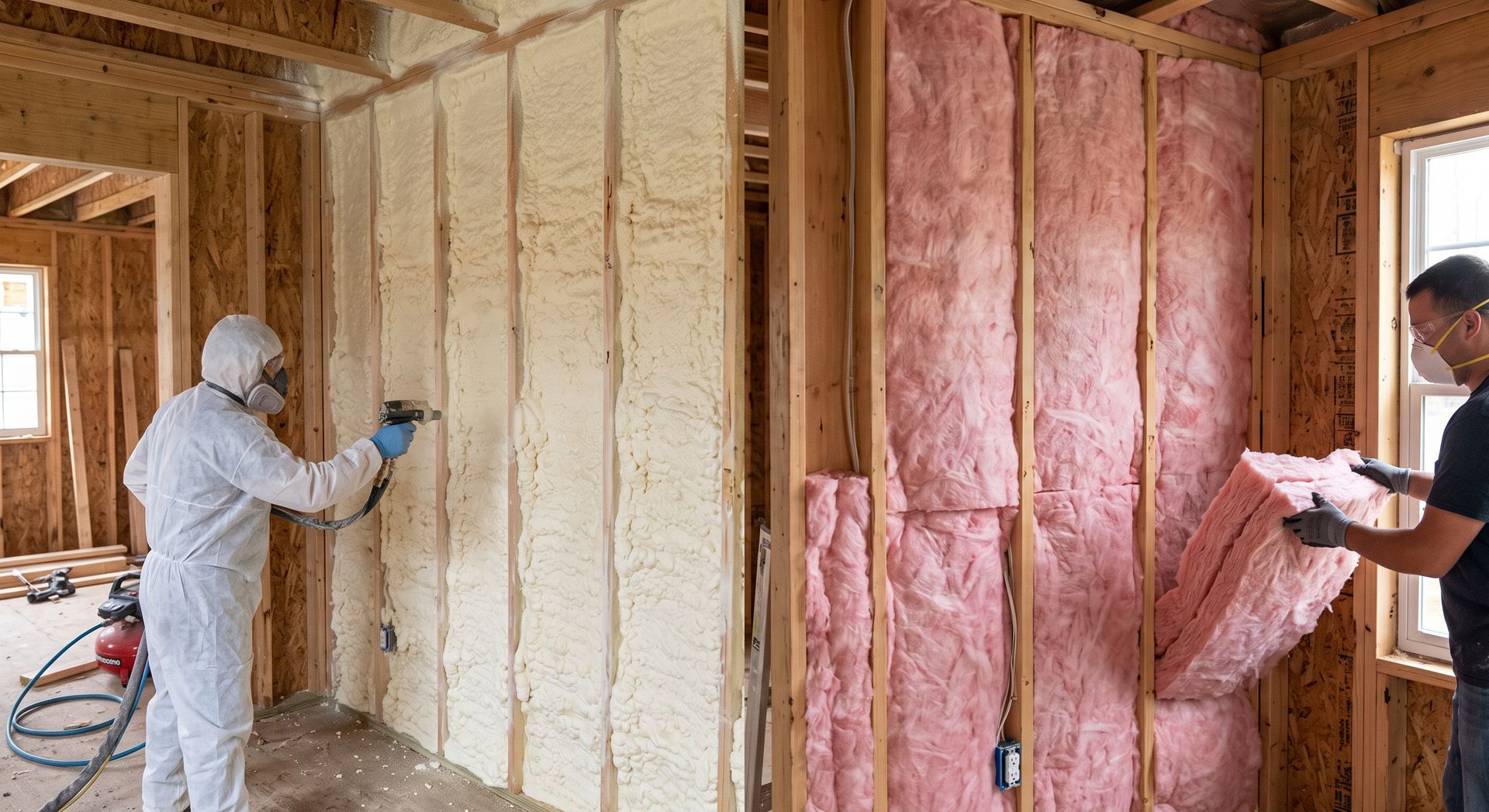
Two workers insulating a framed wall inside a house under construction, one spraying foam and one inspecting plans

When it comes to insulating a building, one of the most common questions is whether to choose spray foam insulation or traditional fiberglass. Both options are widely used, but they perform very differently—especially in climates like Minnesota.

Here’s the key takeaway:
Spray foam insulation offers superior air sealing, energy efficiency, and long-term performance, while fiberglass remains a more budget-friendly option for basic insulation needs.

Choosing the right insulation depends on your goals, budget, and building type. In this guide, we’ll break down the differences so you can make the best decision for your property.

What Is Spray Foam Insulation?

Spray foam insulation is a liquid-applied material that expands into a solid foam after application. It fills gaps, cracks, and cavities, creating a continuous air and moisture barrier.

There are two main types:

  • Open-cell spray foam
  • Closed-cell spray foam

Closed-cell foam is denser and provides higher insulation value, making it more common in commercial applications.

What Is Fiberglass Insulation?

Fiberglass insulation is made from fine glass fibers and is typically installed in batts or blown-in form.

It works by trapping air within the fibers to slow heat transfer.

Fiberglass is one of the most widely used insulation materials because it is:

  • Affordable
  • Easy to install
  • Readily available

However, it does not provide air sealing on its own.

Key Differences Between Spray Foam and Fiberglass

Air Sealing and Leak Prevention

One of the biggest differences is air sealing.

Spray foam:

  • Expands to fill gaps and cracks
  • Creates an airtight seal
  • Prevents air leakage

Fiberglass:

  • Does not stop air movement
  • Requires additional air sealing measures

In buildings where air leakage is a major issue, spray foam has a clear advantage.

Energy Efficiency and Performance

Spray foam insulation provides higher energy performance because it combines insulation with air sealing.

Benefits include:

  • Reduced heating and cooling costs
  • More consistent indoor temperatures
  • Less strain on HVAC systems

Fiberglass can provide good insulation, but its effectiveness depends heavily on proper installation and air sealing.

R-Value Comparison

R-value measures how well insulation resists heat flow.

  • Spray foam (closed-cell): higher R-value per inch
  • Fiberglass: lower R-value per inch

This means spray foam can achieve better performance in less space.

Moisture Resistance

Moisture is a major concern in insulation systems.

Spray foam:

  • Acts as a moisture barrier (closed-cell)
  • Reduces risk of mold and mildew

Fiberglass:

  • Can absorb moisture
  • Loses effectiveness when wet

In climates with humidity or condensation issues, this is an important factor.

Installation Process

Spray foam:

  • Requires professional installation
  • Applied using specialized equipment
  • Expands to fill cavities

Fiberglass:

  • Easier to install
  • Available in batts or blown-in
  • Often used in standard construction

While fiberglass is simpler, spray foam provides a more complete solution.

Cost Comparison

Cost is often the deciding factor.

Spray foam:

  • Higher upfront cost
  • Greater long-term savings through energy efficiency

Fiberglass:

  • Lower upfront cost
  • Lower initial investment

Building owners must weigh short-term savings against long-term performance.

Lifespan and Durability

Spray foam:

  • Long-lasting and stable
  • Does not sag or settle
  • Maintains performance over time

Fiberglass:

  • Can settle or shift
  • May lose effectiveness over time

This makes spray foam a better long-term investment in many cases.

Best Applications for Spray Foam Insulation

Spray foam is ideal for:

  • Commercial buildings
  • Unvented attics
  • Walls with air leakage issues
  • Buildings requiring high energy efficiency

It is especially beneficial in buildings where performance is a priority.

Best Applications for Fiberglass Insulation

Fiberglass is best suited for:

  • Budget-conscious projects
  • Standard wall cavities
  • Areas where air sealing is already addressed

It remains a practical option for many residential and light commercial uses.

Minnesota Climate Considerations

Minnesota’s climate makes insulation performance especially important.

Buildings must handle:

  • Cold winters
  • Temperature swings
  • Moisture and condensation

Spray foam performs well because it:

  • Provides both insulation and air sealing
  • Reduces heat loss
  • Helps prevent moisture issues

Fiberglass can work, but may require additional air sealing measures to achieve similar performance.

Hybrid Insulation Systems

In some cases, the best solution is a combination of both materials.

Hybrid systems may use:

  • Spray foam for air sealing
  • Fiberglass for cost-effective insulation

This approach balances performance and budget.

Long-Term Value and ROI

While spray foam costs more upfront, it often provides better long-term value by:

  • Reducing energy bills
  • Improving comfort
  • Minimizing maintenance

Fiberglass offers lower initial cost but may not deliver the same level of performance over time.

Frequently Asked Questions

Is spray foam better than fiberglass?

Spray foam offers better performance, but fiberglass is more affordable.

Does spray foam really save money?

Yes, through reduced energy costs over time.

Can I use both types together?

Yes, hybrid systems are common and effective.

Is fiberglass still a good option?

Yes, especially for budget-conscious projects.

Which is best for Minnesota homes?

Spray foam often performs better due to insulation and air sealing benefits.

Call to Action

Choosing the right insulation can have a major impact on your building’s comfort, efficiency, and long-term costs.

Kohls Foam Systems, Inc. provides expert insulation solutions, including spray foam and fiberglass installation tailored to your building’s needs.

Call (612) 708-4111 or visit:
[Kohls Foam Systems –
https://kohlsfoamsystems.com/]

Serving Eden Prairie, Minneapolis, and across Minnesota, as well as Colorado, Florida, Hawaii, and Illinois.

recent posts

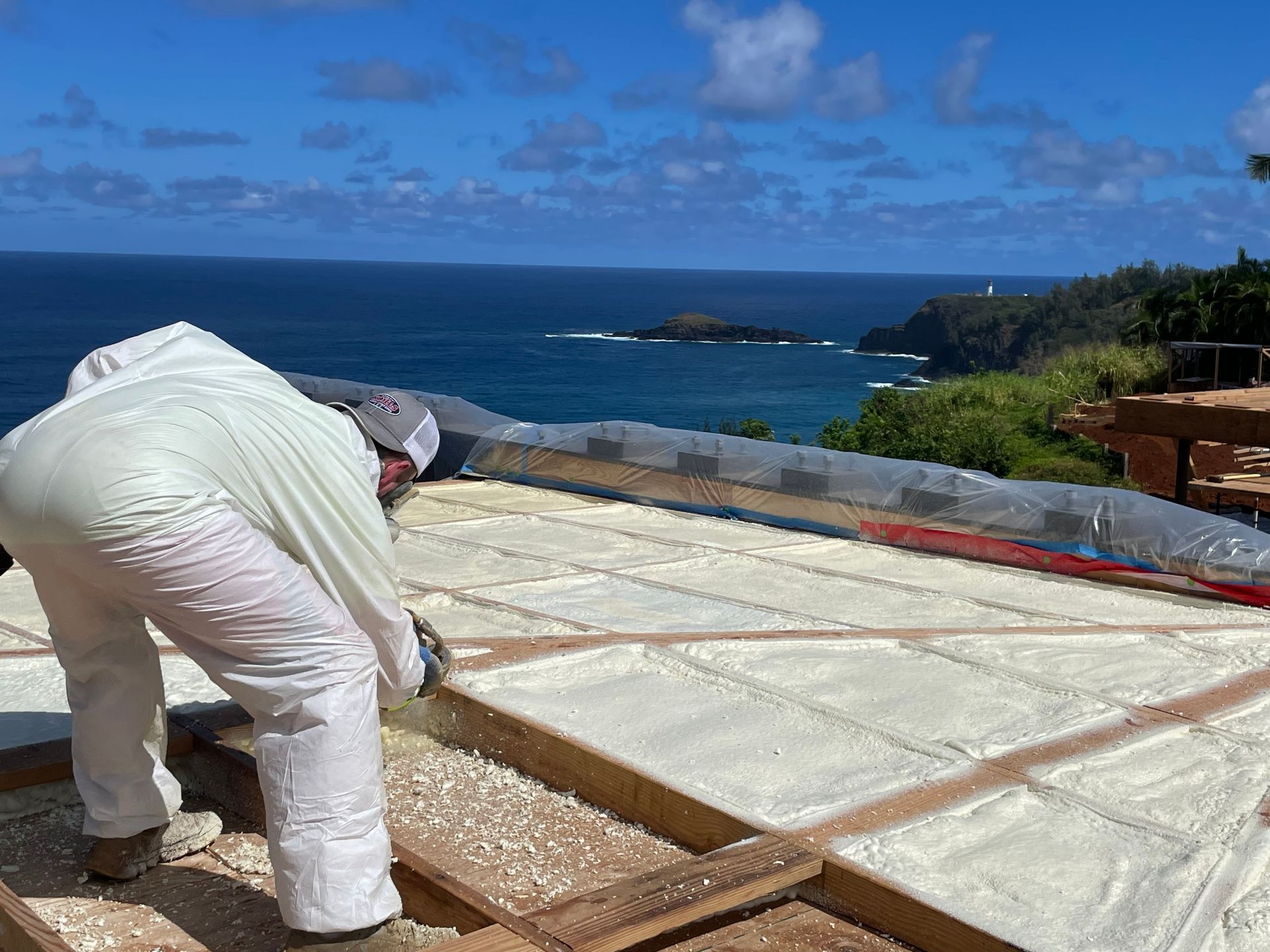
Worker in white protective suit applying coating to a rooftop beside the ocean
August 21, 2026
Hiring a spray foam roofing contractor? Ask these 10 questions before choosing a company in Minnesota. Learn what to ask and avoid costly mistakes. Choose with care.
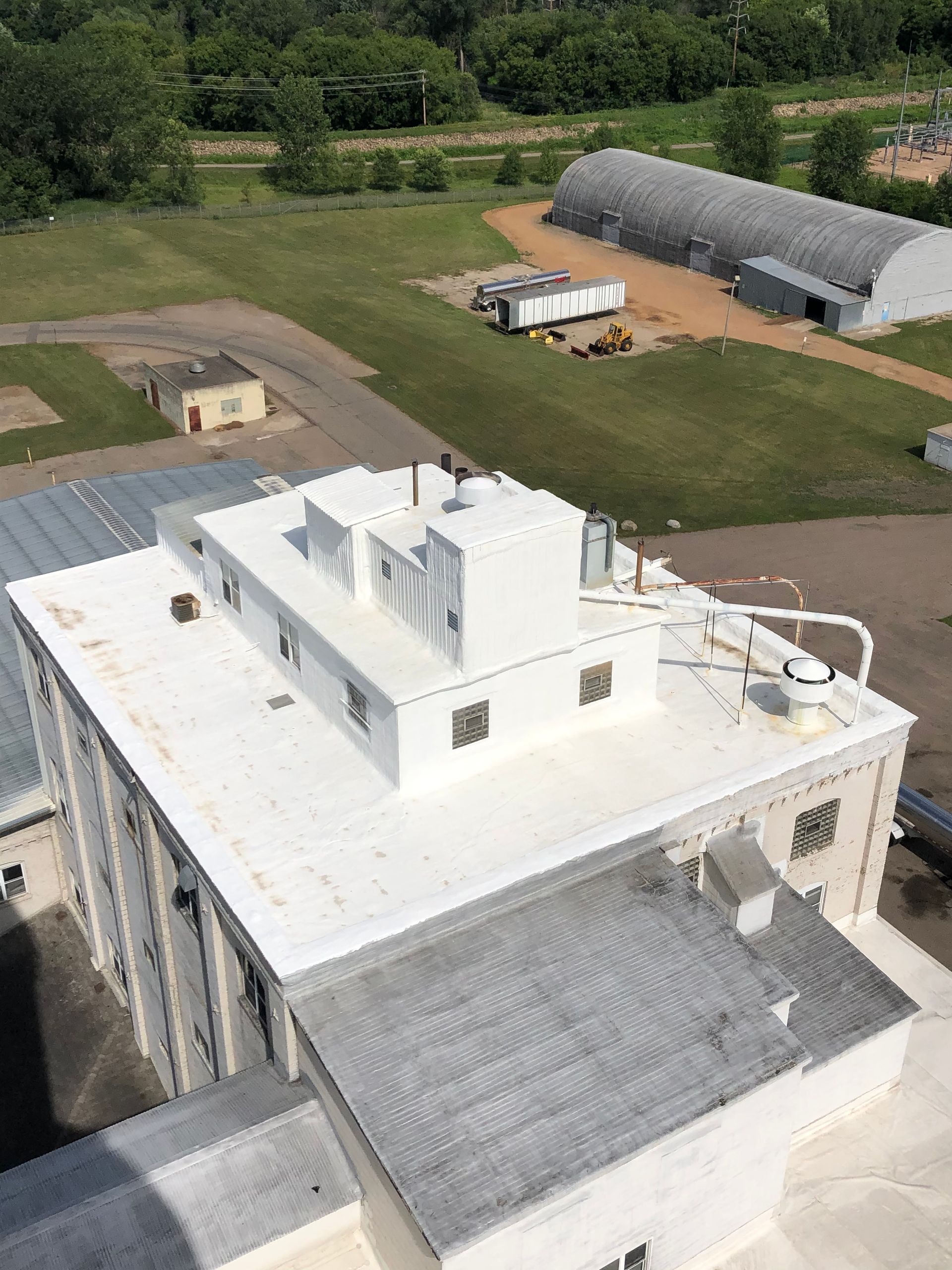
Aerial view of a white building with a gray roof, surrounded by grassy fields and small structures.
August 6, 2026
Learn how reflective roof coatings improve energy efficiency and extend roof life for commercial buildings in Minnesota. Lower energy costs and protect your roof.
July 22, 2026
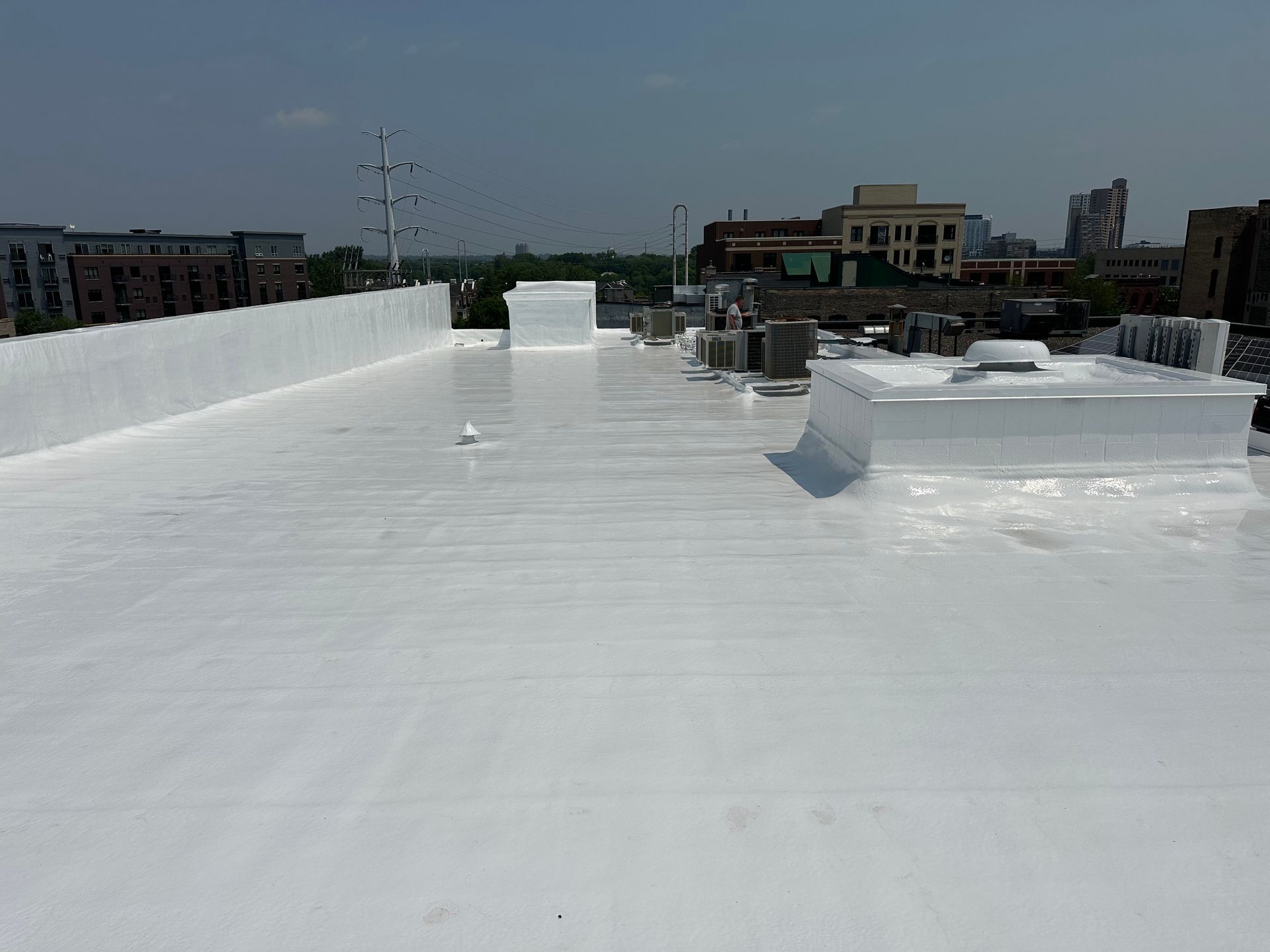
Discover the best roofing systems for flat commercial roofs in Minnesota. Compare spray foam, TPO, metal, and coatings to find the right solution today. Call us now!