Single-Ply Roof Restoration: When Can You Restore Instead of Replace?
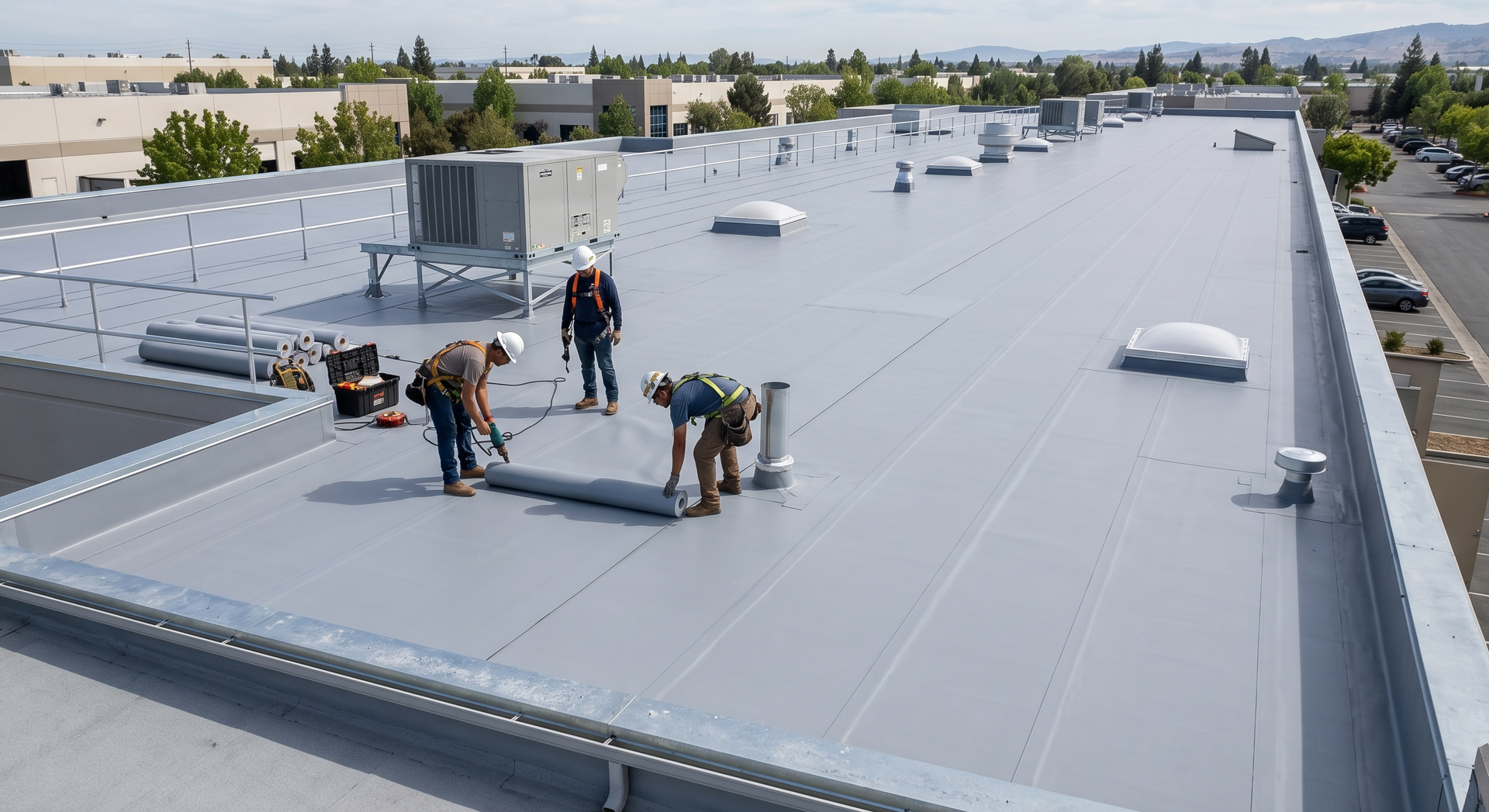
If your commercial building has a single-ply roofing system like TPO, EPDM, or PVC, you may assume that once it starts leaking or aging, replacement is your only option. That assumption can lead to unnecessary costs.
Here’s the key takeaway:
Many single-ply roofs can be restored instead of replaced—saving thousands of dollars while extending the life of your existing system by 10–20 years.
The real question isn’t whether your roof is aging—it’s whether it still qualifies for restoration. In this guide, we’ll break down how single-ply restoration works, when it’s the right choice, and how to evaluate your roof properly.
What Is a Single-Ply Roofing System?
Single-ply roofing systems are one of the most common commercial roofing solutions, especially for flat and low-slope buildings.
The three main types include:
- TPO (Thermoplastic Polyolefin)
- EPDM (Rubber roofing)
- PVC (Polyvinyl Chloride)
These systems consist of a flexible membrane installed over insulation and attached using adhesives, mechanical fasteners, or ballast.
They are widely used because they are:
- Cost-effective
- Lightweight
- Quick to install
However, their biggest weakness is that they rely on seams—and seams are where most failures occur.
Why Single-Ply Roofs Fail Over Time
Even high-quality single-ply systems degrade over time, especially in climates like Minnesota.
Common causes of failure include:
- Seam separation from expansion and contraction
- UV degradation from sun exposure
- Membrane shrinkage
- Punctures from foot traffic or equipment
- Flashing failures around penetrations
These issues often develop gradually, which is why many roofs are still restorable when caught early.
What Is Single-Ply Roof Restoration?
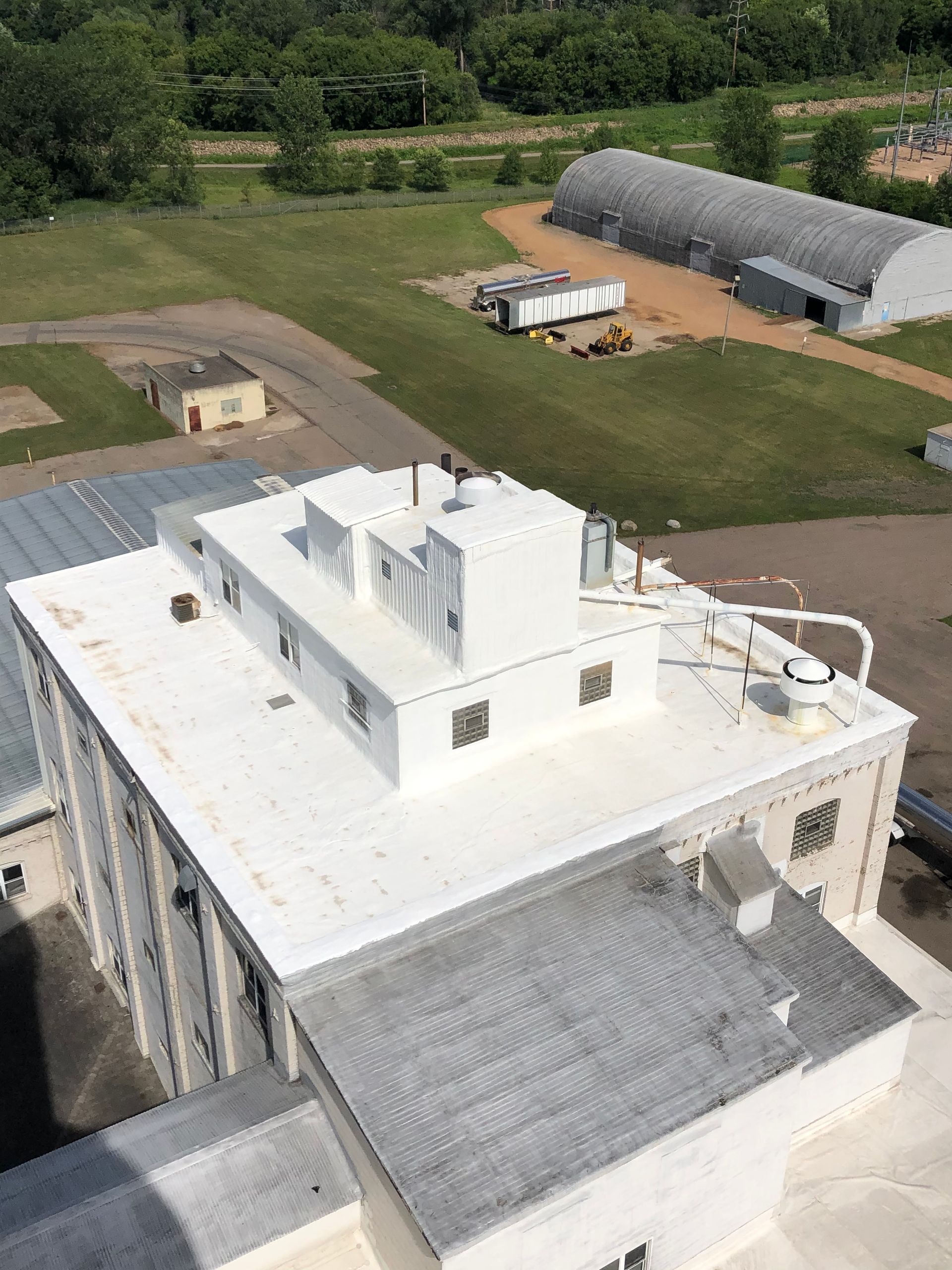
Single-ply roof restoration is the process of repairing and reinforcing your existing roofing system, then applying a protective layer over it.
Instead of removing the roof, restoration enhances its performance.
Typical steps include:
- Cleaning and preparing the surface
- Repairing seams and damaged areas
- Reinforcing penetrations and flashing
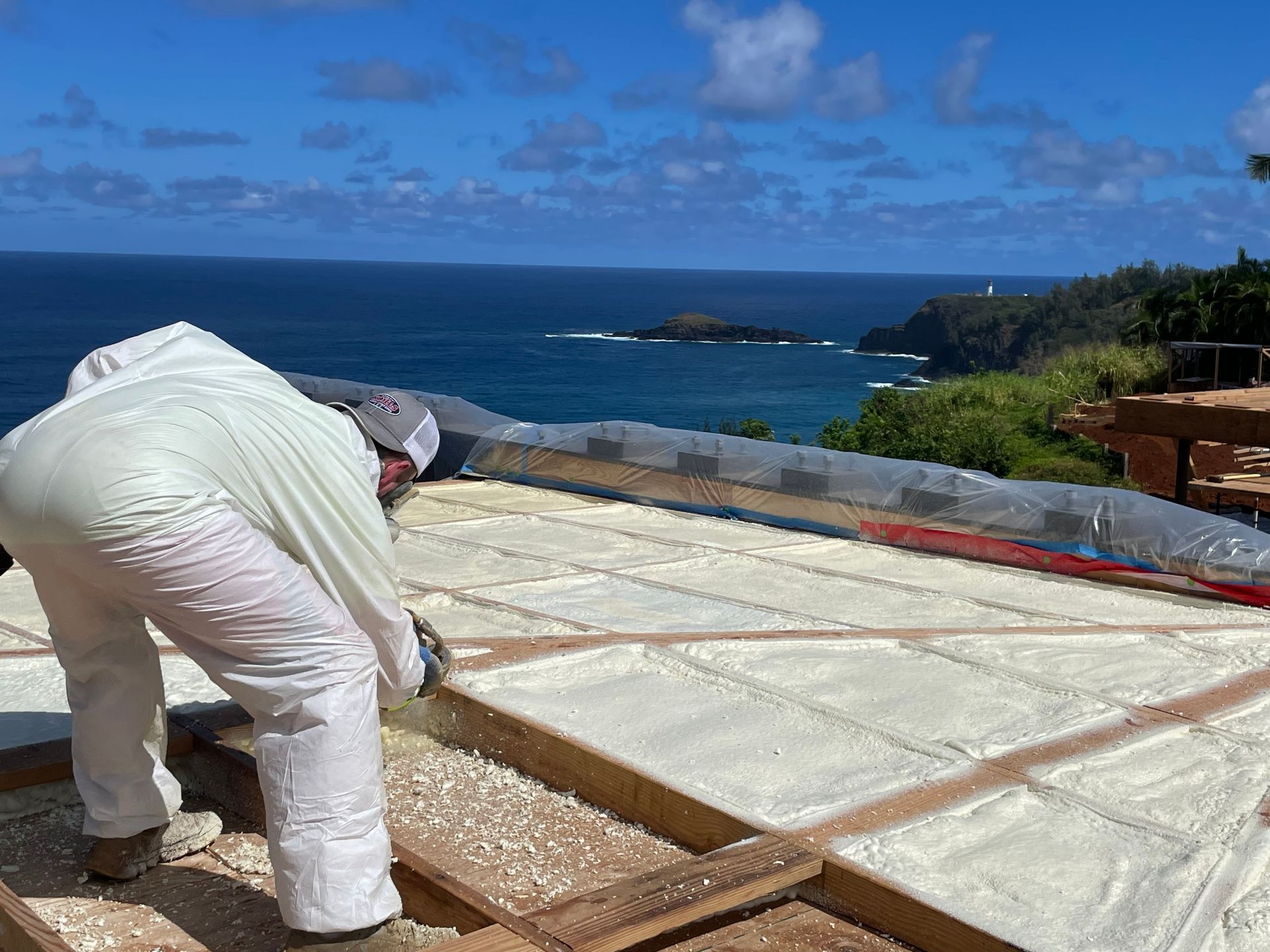
- Applying a coating or spray foam system
The result is a seamless, waterproof surface that protects the existing membrane.
How Restoration Extends Roof Life
Restoration works by addressing the weak points of single-ply systems.
It:
- Seals seams and prevents future separation
- Protects against UV damage
- Reinforces vulnerable areas
- Creates a continuous waterproof barrier
This effectively gives your roof a second life without the cost of replacement.
Cost Comparison: Restoration vs Replacement
Restoration Costs
Restoration is significantly more affordable because:
- No tear-off is required
- Labor is reduced
- Disposal costs are minimal
- Installation is faster
In most cases, restoration costs 40–70% less than replacement.
Replacement Costs
Replacement involves:
- Full removal of the existing roof
- Disposal and landfill fees
- Installation of a new membrane
This dramatically increases both labor and material costs.
Installation Timeline and Disruption
Restoration
- Typically completed in days
- Minimal disruption to operations
- No exposure during installation
Replacement
- Can take weeks
- Creates noise and debris
- May expose interior spaces during tear-off
For occupied commercial buildings, this difference is critical.
When Single-Ply Roof Restoration Is the Best Option
Restoration is ideal when:
- The membrane is still mostly intact
- Damage is localized
- Seams can be repaired
- The roof structure is sound
- Moisture infiltration is limited
These conditions are common in roofs that are aging but not failing.
When Replacement Is Necessary
Replacement becomes necessary when:
- The membrane is severely deteriorated
- There is widespread water saturation
- Insulation beneath the membrane is compromised
- Structural damage is present
In these cases, restoration may only provide a temporary fix.
Spray Foam vs Coatings for Restoration
There are two main approaches to restoring single-ply roofs:
Coating Systems
- Lower upfront cost
- Reflective and UV-resistant
- Ideal for roofs in good condition
Spray Foam Systems
- Adds insulation (higher R-value)
- Creates a seamless, fully adhered system
- Improves energy efficiency
Spray foam is often the better long-term investment, especially in colder climates.
Energy Efficiency Improvements
One of the biggest benefits of restoration is improved energy performance.
Restoration systems can:
- Reflect sunlight
- Reduce heat absorption
- Seal air leaks
Spray foam goes further by adding insulation, which can significantly reduce heating costs in Minnesota winters.
Minnesota Climate Considerations
Single-ply roofs in Minnesota face extreme conditions:
- Freeze-thaw cycles
- Snow and ice buildup
- Temperature swings
These factors accelerate seam failure and membrane wear.
Restoration helps by:
- Eliminating seams as failure points
- Creating a durable, flexible surface
Common Signs Your Roof Can Be Restored
Look for these indicators:
- Minor or isolated leaks
- Aging but intact membrane
- Visible seam issues
- Limited surface damage
- No major structural problems
If these signs are present, restoration is often a strong candidate.
Long-Term Financial Strategy
Restoration isn’t just a short-term fix—it can be part of a long-term plan.
Many building owners:
- Restore the roof now
- Extend its life by 10–20 years
- Recoat periodically
- Delay full replacement
This approach helps manage capital expenses more effectively.
Frequently Asked Questions
How long does single-ply restoration last?
Most restoration systems extend roof life by 10–20 years or more.
Is restoration cheaper than replacement?
Yes, significantly—often by 40–70%.
Can all single-ply roofs be restored?
No, only roofs that are structurally sound and not heavily saturated.
Will restoration stop leaks permanently?
Yes, when properly installed, it seals existing leaks and prevents new ones.
How do I know if my roof qualifies?
A professional inspection is required to assess condition and moisture levels.
Call to Action
If your single-ply roof is aging or leaking, don’t assume replacement is your only option.
Kohls Foam Systems, Inc. specializes in restoring commercial roofing systems to extend lifespan and reduce costs.
Call (612) 708-4111 or visit:
[Kohls Foam Systems – https://kohlsfoamsystems.com/]
Serving Eden Prairie, Minneapolis, and across Minnesota, as well as Colorado, Florida, Hawaii, and Illinois.
recent posts