How to Budget for Commercial Roof Restoration in 2026

Budgeting for a commercial roof restoration project can feel overwhelming—especially when you’re trying to balance cost, performance, and long-term value. Many building owners delay decisions because they’re unsure what the investment will look like or whether restoration is truly worth it.
Here’s the key takeaway:
Commercial roof restoration is one of the most cost-effective ways to extend your roof’s life—but proper budgeting is essential to maximize ROI and avoid surprises.
In 2026, with rising material and labor costs, planning ahead is more important than ever. This guide will walk you through how to budget for roof restoration, what factors affect pricing, and how to make a financially smart decision for your building.
What Is Commercial Roof Restoration?
Commercial roof restoration is the process of repairing, reinforcing, and protecting an existing roof system to extend its lifespan without a full replacement.
This typically includes:
- Repairing damaged areas
- Sealing seams and penetrations
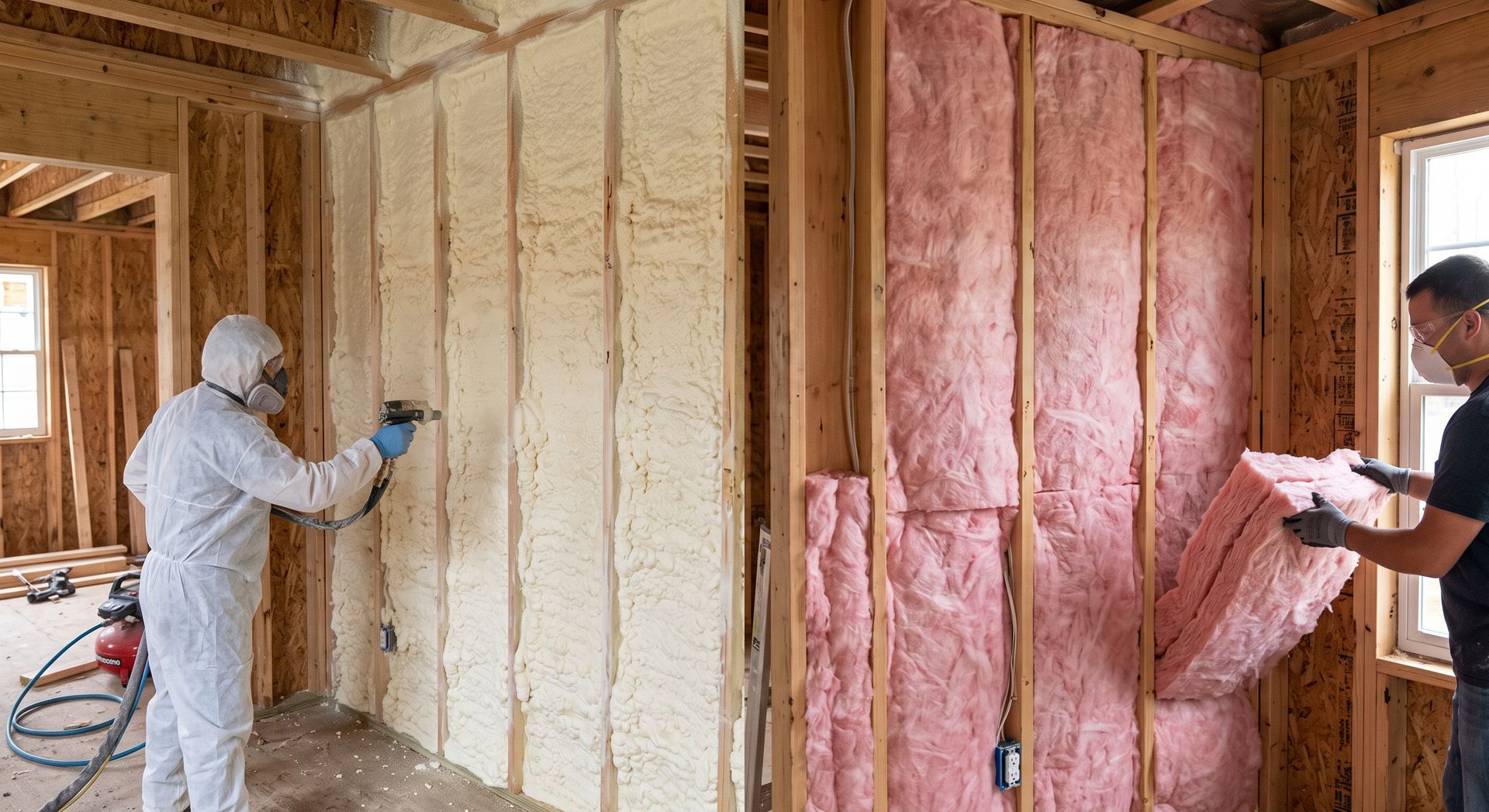
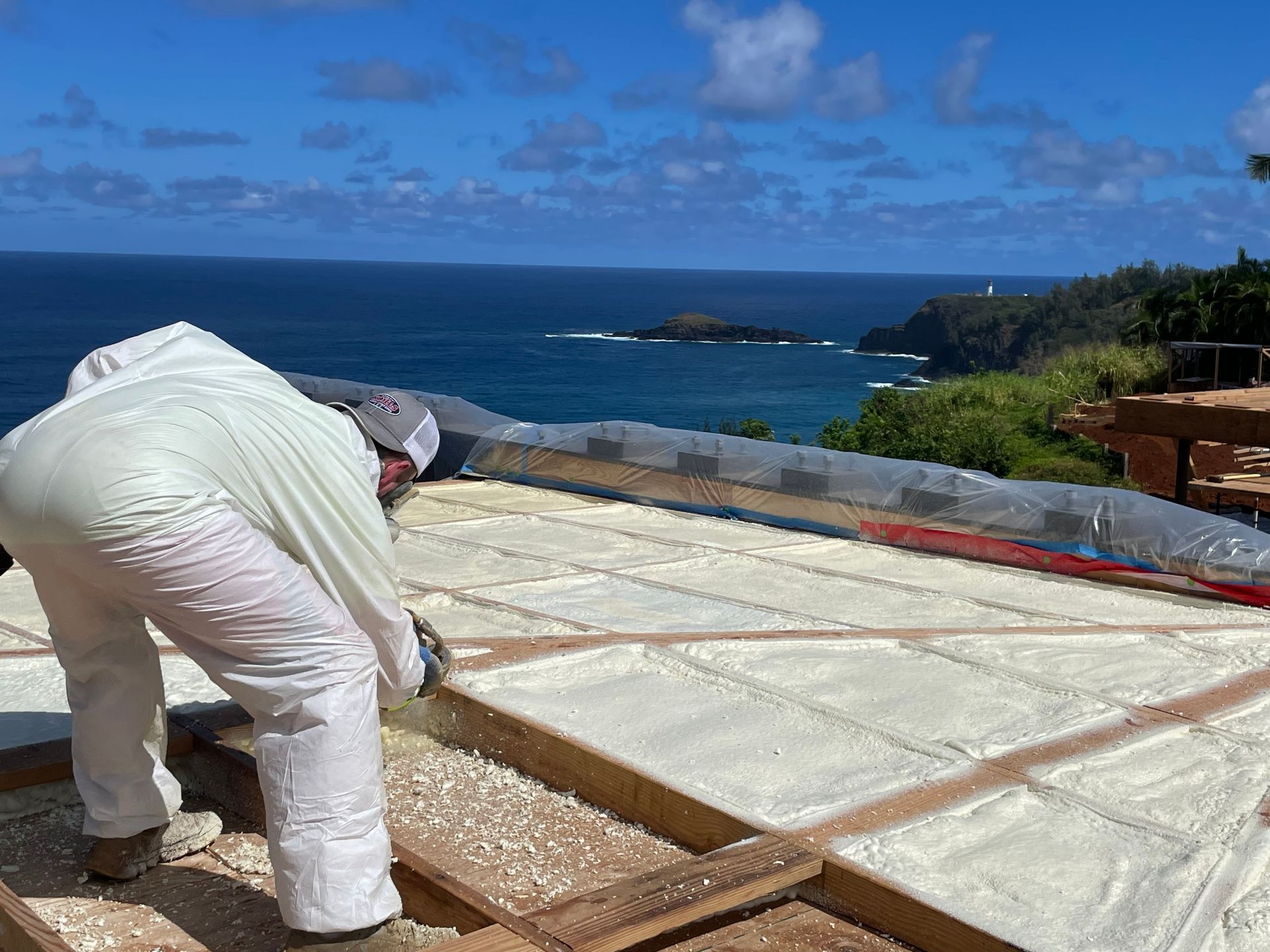
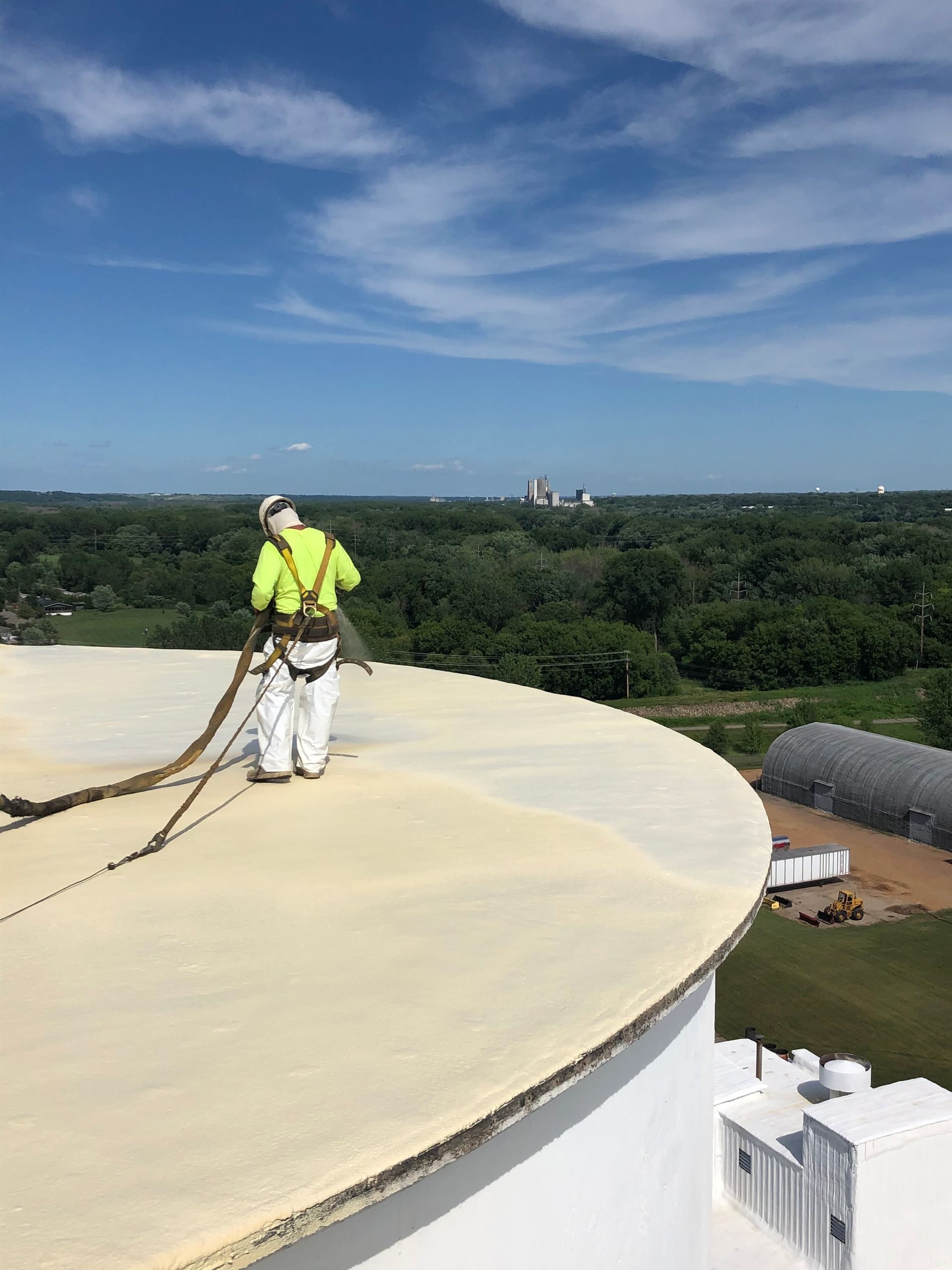
- Applying coatings or spray foam systems
- Improving waterproofing and insulation
Restoration allows building owners to avoid the high cost of tear-off while still improving roof performance.
Why Budgeting Matters More in 2026
Several factors are influencing roofing costs:
- Rising material prices
- Increased labor costs
- Supply chain variability
- Higher demand for energy-efficient systems
Because of these trends, building owners who plan ahead can:
- Lock in better pricing
- Avoid emergency repairs
- Spread costs strategically
Waiting too long often results in higher costs or forced replacement.
Average Cost Range for Roof Restoration
While costs vary based on several factors, here’s a general breakdown:
- Roof coatings: lower cost range
- Spray foam restoration: mid-range cost
- Extensive restoration (repairs + coatings): higher range
Even at the higher end, restoration is typically far less expensive than full replacement, which can cost 2–3 times more.
Key Factors That Affect Restoration Costs
Understanding what drives cost helps you build a more accurate budget.
Roof Size
Larger roofs require more materials and labor, increasing overall cost.
Roof Condition
The more repairs needed, the higher the cost. Factors include:
- Extent of damage
- Number of leaks
- Condition of seams and flashing
Type of Roofing System
Different systems require different restoration approaches:
- Metal roofs
- Single-ply membranes
- Built-up roofing
Each has unique preparation and material requirements.
Choice of Restoration System
Your selected system will impact pricing:
- Coatings (silicone, acrylic)
- Spray foam systems
- Hybrid systems
Spray foam typically costs more upfront but offers insulation benefits.
Accessibility and Complexity
Roofs with more penetrations, equipment, or difficult access may require additional labor.
Geographic Location
Costs can vary depending on location, labor availability, and climate conditions.
For example, Minnesota projects may require seasonal scheduling considerations.
Hidden Costs to Consider
Many building owners underestimate additional costs.
These may include:
- Repairs discovered during installation
- Upgrades to meet code requirements
- Drainage improvements
- Maintenance planning
Budgeting for contingencies helps avoid surprises.
How Restoration Saves Money Long-Term
Restoration isn’t just about lower upfront cost—it’s about long-term savings.
Reduced Energy Costs
Systems like spray foam improve insulation, lowering heating and cooling expenses.
Deferred Replacement Costs
Restoration can extend roof life by 10–20 years, delaying a major capital expense.
Lower Maintenance Costs
Seamless systems reduce leaks and repair frequency.
Budgeting Strategies for Building Owners
Plan Early
Start evaluating your roof before it reaches a critical condition.
Schedule Preventative Inspections
Routine inspections help identify issues early, reducing repair costs.
Consider Phased Projects
Large buildings can be restored in phases to spread out costs.
Evaluate ROI, Not Just Price
The cheapest option isn’t always the best. Consider:
- Lifespan
- Energy savings
- Maintenance costs
Financing and Capital Planning
Many commercial property owners treat roof restoration as a capital improvement.
Options may include:
- Capital expenditure budgeting
- Financing programs
- Energy-efficiency incentives
Planning ahead allows you to align restoration with your financial strategy.
Minnesota Climate and Budget Considerations
Minnesota weather impacts both cost and timing:
- Shorter installation seasons
- Winter damage requiring spring repairs
- Increased demand during peak months
Planning your project during optimal seasons can help control costs.
Signs You Should Budget for Restoration Soon
If you notice these signs, it’s time to start planning:
- Increasing repair frequency
- Rising energy bills
- Visible wear or aging
- Minor leaks
Addressing issues early prevents more expensive problems later.
Frequently Asked Questions
How much should I budget for roof restoration?
Costs vary, but restoration is typically much more affordable than replacement.
Is restoration worth the investment?
Yes, especially if your roof is structurally sound and can be extended.
Can I spread out restoration costs?
Yes, phased projects and financing options may be available.
How long does restoration last?
Most systems extend roof life by 10–20 years or more.
When should I start planning?
Ideally before major damage occurs—early planning saves money.
Call to Action
If you’re planning for a roof project in 2026, now is the time to start evaluating your options.
Kohls Foam Systems, Inc. provides expert assessments and cost-effective restoration solutions tailored to your building.
Call (612) 708-4111 or visit:
[Kohls Foam Systems –
https://www.kohlsfoamsystems.com/]
Serving Eden Prairie, Minneapolis, and across Minnesota, as well as Colorado, Florida, Hawaii, and Illinois.