Reflective Roof Coatings for Commercial Buildings: Benefits, Limits, and Best Uses

If you’re looking for a cost-effective way to extend the life of your commercial roof while improving energy efficiency, reflective roof coatings are one of the most practical solutions available.
Here’s the key takeaway:
Reflective roof coatings can significantly reduce heat absorption, lower energy costs, and extend the lifespan of your existing roof—without the need for a full replacement.
However, they’re not a one-size-fits-all solution. Understanding when they work best—and when they don’t—is critical to making the right investment for your building.
What Are Reflective Roof Coatings?
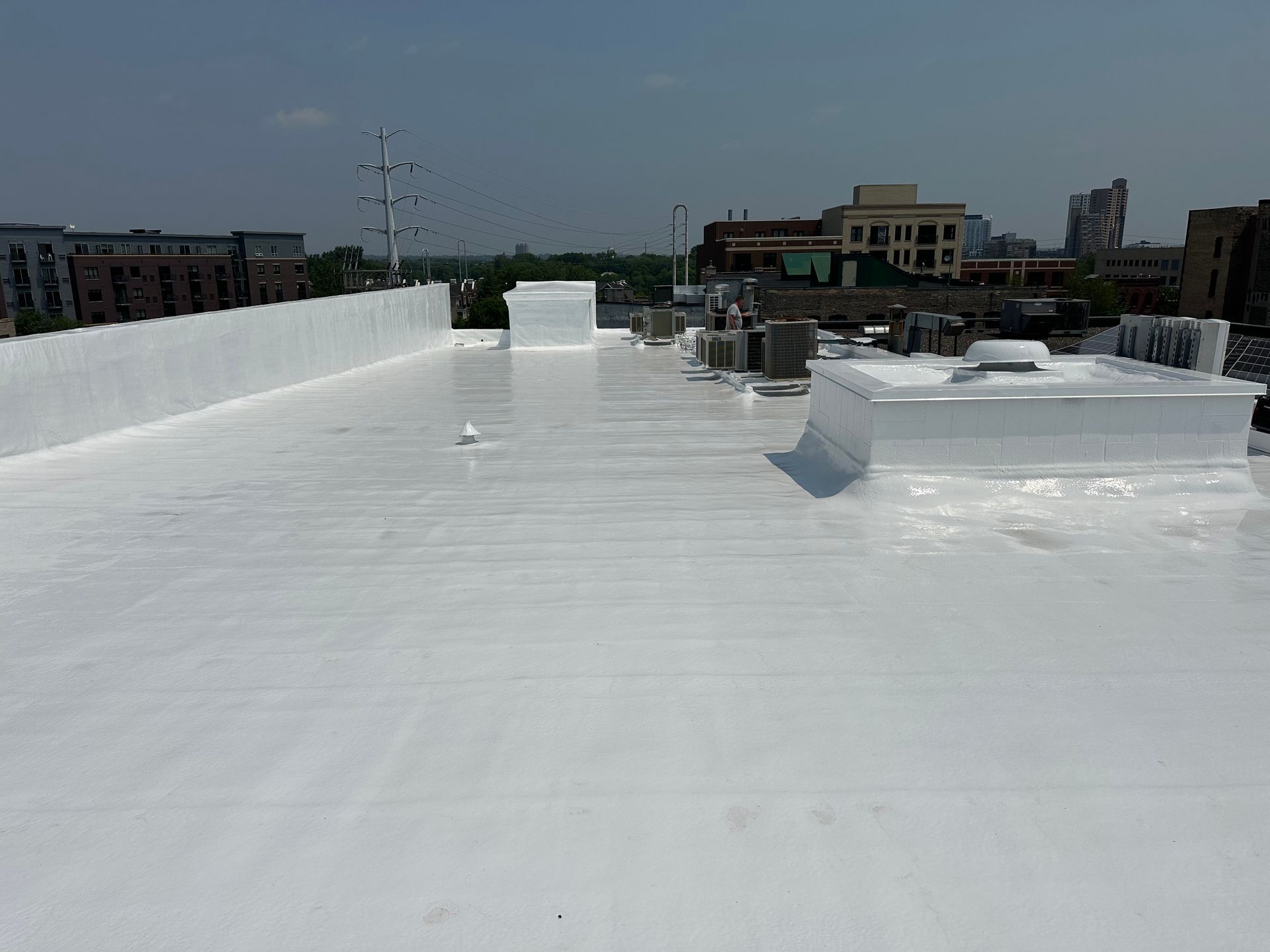
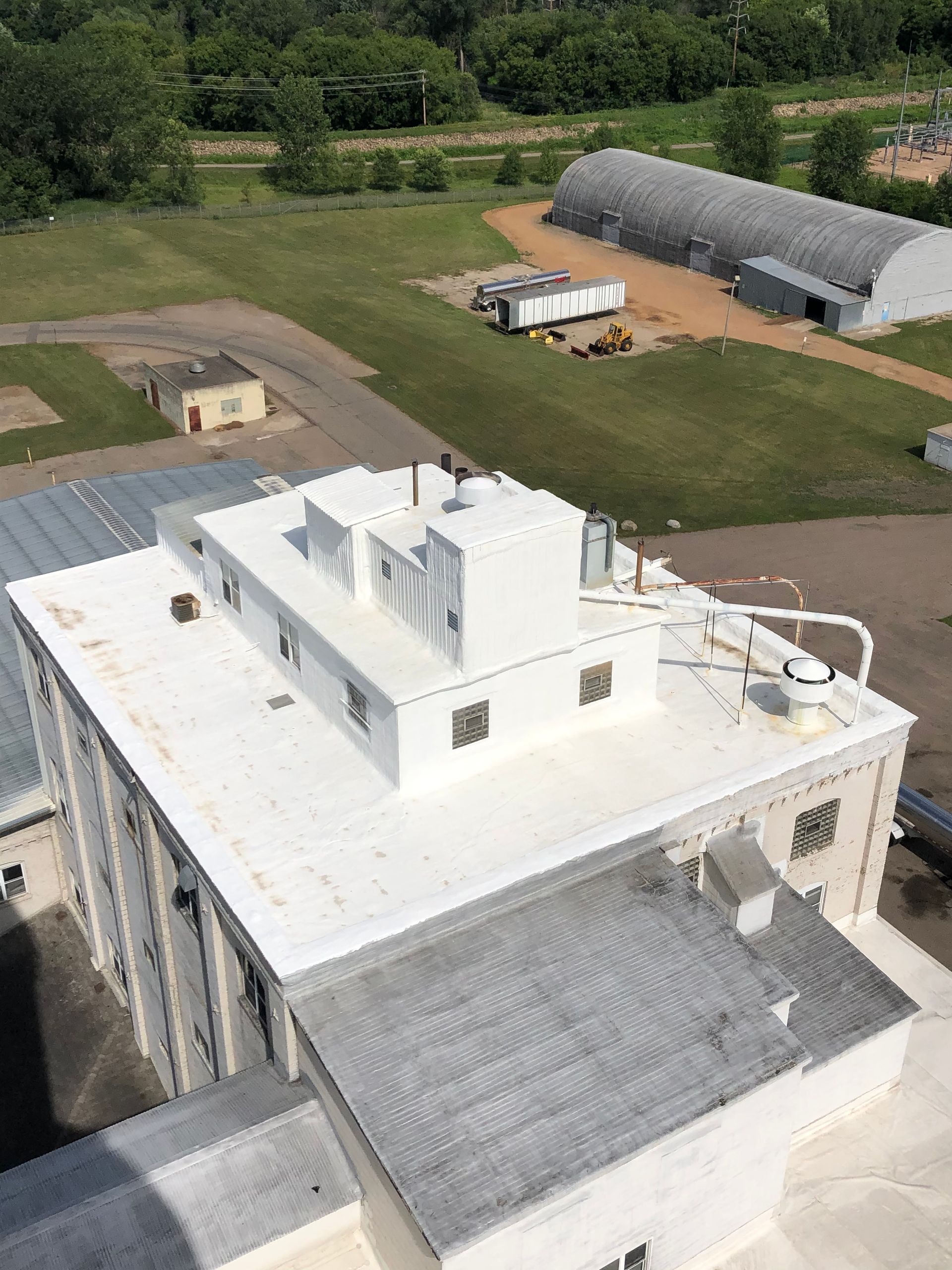
Reflective roof coatings are fluid-applied materials designed to create a seamless, waterproof, and UV-resistant layer over an existing roof.
They are typically white or light-colored and are engineered to reflect sunlight rather than absorb it.
Common types include:
- Silicone coatings
- Acrylic coatings
- Polyurethane coatings
Once applied, these coatings form a continuous membrane that protects the roof from environmental damage.
How Reflective Roof Coatings Work
The primary function of reflective coatings is to reduce heat absorption.
They do this by:
- Reflecting solar radiation away from the building
- Reducing surface temperatures
- Minimizing thermal expansion and contraction
This not only protects the roof but also improves the building’s overall energy performance.
Key Benefits of Reflective Roof Coatings
Energy Efficiency and Cost Savings
One of the biggest advantages of reflective coatings is their impact on energy use.
By reflecting sunlight, they:
- Reduce cooling costs during warmer months
- Lower rooftop temperatures
- Decrease strain on HVAC systems
For commercial buildings with large roof surfaces, these savings can be substantial.
Extended Roof Lifespan
Reflective coatings protect the existing roof from:
- UV degradation
- Weather exposure
- Thermal stress
This can extend the life of the roof by 10–20 years or more.
Cost-Effective Alternative to Replacement
Compared to full roof replacement, coatings offer:
- Lower upfront cost
- Faster installation
- Minimal disruption
This makes them an attractive option for building owners looking to maximize ROI.
Seamless Waterproofing
Because coatings are applied as a liquid, they create a seamless membrane.
This helps:
- Seal small cracks and gaps
- Prevent leaks
- Eliminate common failure points
Environmental Benefits
Reflective coatings are also a sustainable option.
They:
- Reduce landfill waste by avoiding tear-offs
- Lower energy consumption
- Support green building initiatives
Best Uses for Reflective Roof Coatings
Reflective coatings are ideal for:
- Aging but structurally sound roofs
- Flat or low-slope commercial roofs
- Buildings with high energy costs
- Roofs with minor leaks or wear
They are commonly used on:
- Metal roofs
- Single-ply membranes
- Modified bitumen systems
When Reflective Coatings Are NOT the Right Choice
Despite their benefits, coatings are not suitable for every roof.
They may not be effective if:
- The roof has severe structural damage
- There is extensive water saturation
- The substrate is unstable
- The roof system has completely failed
In these cases, replacement or more extensive restoration may be required.
Silicone vs Acrylic Coatings
Choosing the right type of coating is important.
Silicone Coatings
- Excellent waterproofing
- Performs well in ponding water conditions
- Long-lasting
Acrylic Coatings
- More affordable
- Highly reflective
- Best for roofs with good drainage
Each system has its place depending on the building and environment.
Minnesota Climate Considerations
Reflective coatings are often associated with hot climates, but they also provide benefits in Minnesota.
They help by:
- Protecting against UV damage in summer
- Reducing thermal stress from temperature swings
- Supporting overall roof durability
However, proper system selection is important to ensure performance in freeze-thaw conditions.
Reflective Coatings vs Spray Foam Roofing
While both systems offer restoration benefits, they serve different purposes.
Reflective Coatings
- Focus on protection and reflectivity
- Lower upfront cost
- No added insulation
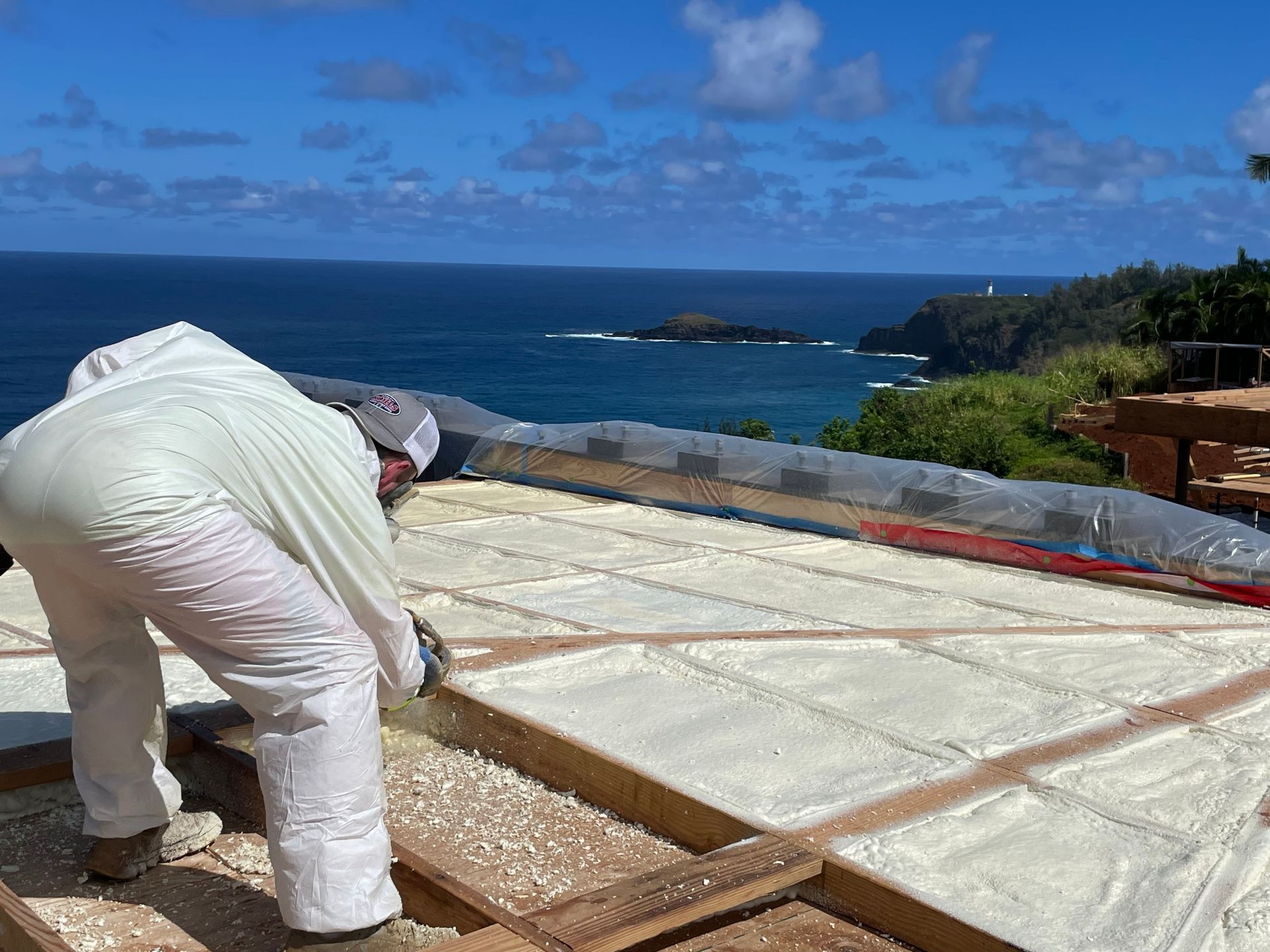
Spray Foam Roofing
- Provides insulation and waterproofing
- Eliminates seams entirely
- Higher long-term energy savings
For buildings looking to improve insulation, spray foam is often the better choice.
Maintenance Requirements
Reflective coatings require regular maintenance to perform at their best.
This includes:
- Periodic inspections
- Cleaning to maintain reflectivity
- Recoating when necessary
Proper maintenance ensures long-term performance and durability.
Long-Term Value and ROI
Reflective coatings provide strong return on investment by:
- Extending roof life
- Reducing energy costs
- Lowering maintenance needs
For many building owners, this makes them one of the most cost-effective roofing solutions available.
Frequently Asked Questions
How long do reflective roof coatings last?
Most coatings last 10–20 years, depending on maintenance and conditions.
Do reflective coatings really save energy?
Yes, they reduce heat absorption and can lower cooling costs.
Can coatings fix leaks?
Yes, they can seal minor leaks and prevent new ones.
Are coatings suitable for all roofs?
No, only structurally sound roofs are good candidates.
How do I know which coating is best?
A professional inspection can determine the best system for your building.
Call to Action
If your commercial roof is aging but still structurally sound, reflective coatings may be the most cost-effective way to extend its life and improve performance.
Kohls Foam Systems, Inc. specializes in commercial roof coatings and restoration systems designed for long-term durability.
Call
(612) 708-4111 or visit:
[Kohls Foam Systems – https://kohlsfoamsystems.com/]
Serving Eden Prairie, Minneapolis, and across Minnesota, as well as Colorado, Florida, Hawaii, and Illinois.