Metal Roof Restoration vs Replacement: Cost, Lifespan, and Performance
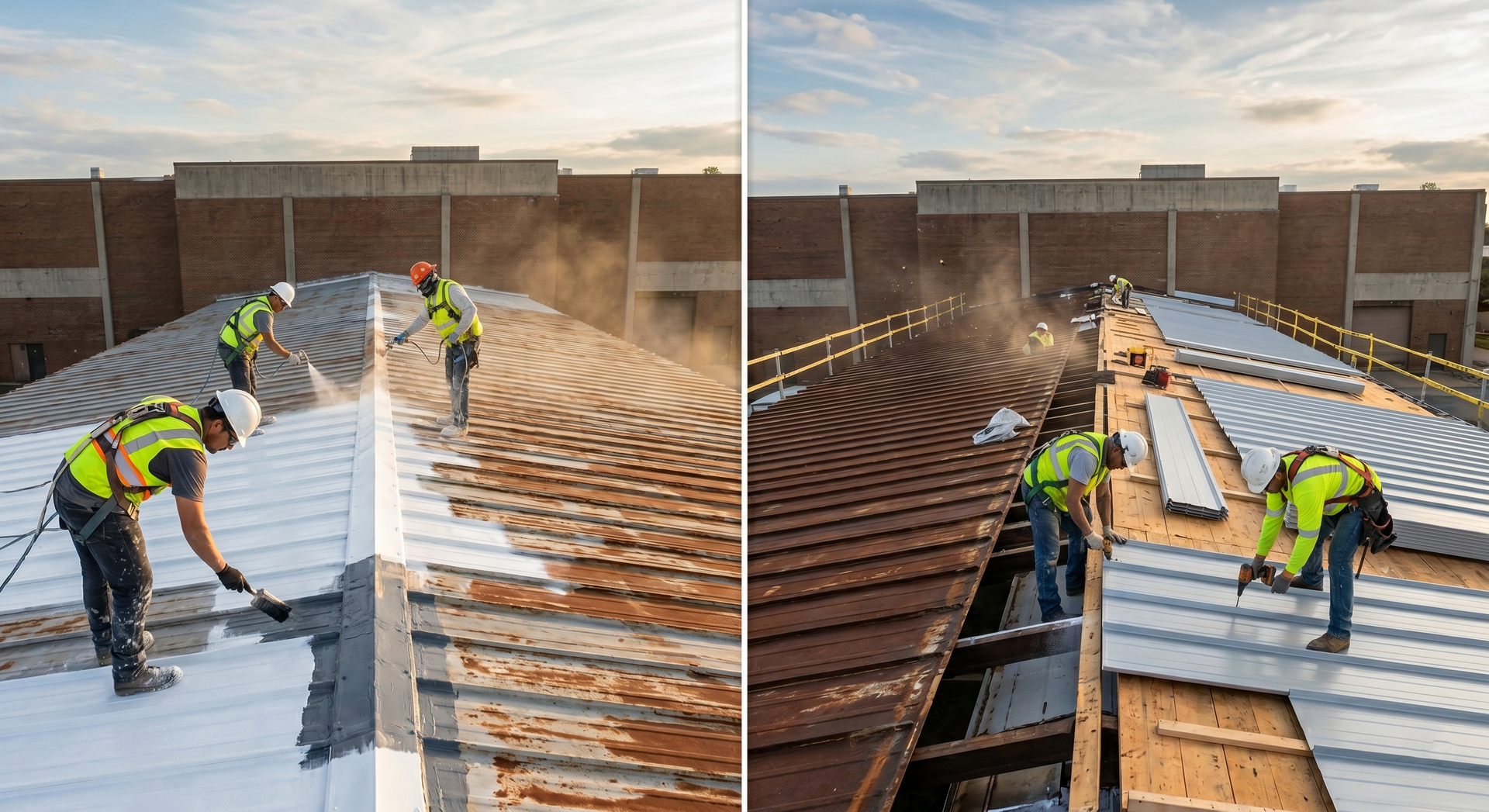
If your commercial metal roof is starting to leak, rust, or show signs of aging, you’re facing a critical decision: restore the roof or replace it entirely.
This decision has major financial implications. A full replacement can be one of the most expensive capital projects for a building owner, while restoration may offer a way to extend your roof’s life at a significantly lower cost.
Here’s the key takeaway:
If your metal roof is structurally sound, restoration is often the smarter investment—saving money, reducing downtime, and improving performance without a full tear-off.
However, there are situations where replacement is unavoidable. This guide will walk you through everything you need to know to make the right decision for your building.
Understanding Commercial Metal Roofing Systems
Metal roofs are widely used on commercial buildings because of their durability and longevity. These systems are designed to withstand harsh weather, temperature fluctuations, and long-term exposure.
Common types of commercial metal roofs include:
- Standing seam metal roofs
- Corrugated metal panels
- R-panel and exposed fastener systems
While metal roofs can last decades, they are not maintenance-free. Over time, they develop issues that require either restoration or replacement.
What Is Metal Roof Restoration?
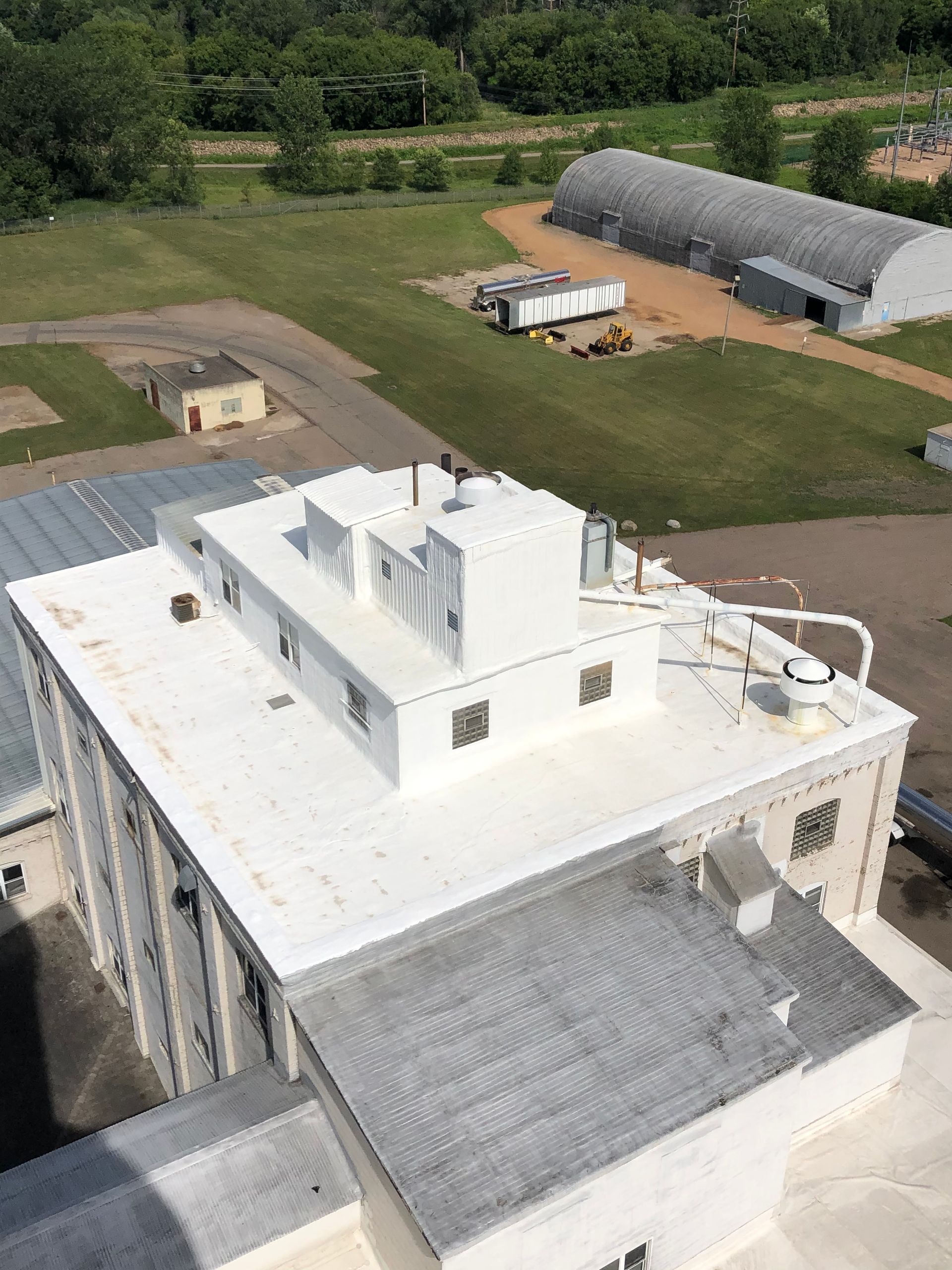
Metal roof restoration is the process of repairing and upgrading your existing roof system without removing it.
Instead of tearing off the roof, contractors restore its performance by addressing problem areas and applying a protective system over the top.
Typical restoration steps include:
- Replacing or tightening fasteners
- Sealing seams and penetrations
- Treating rust and corrosion
- Reinforcing weak areas
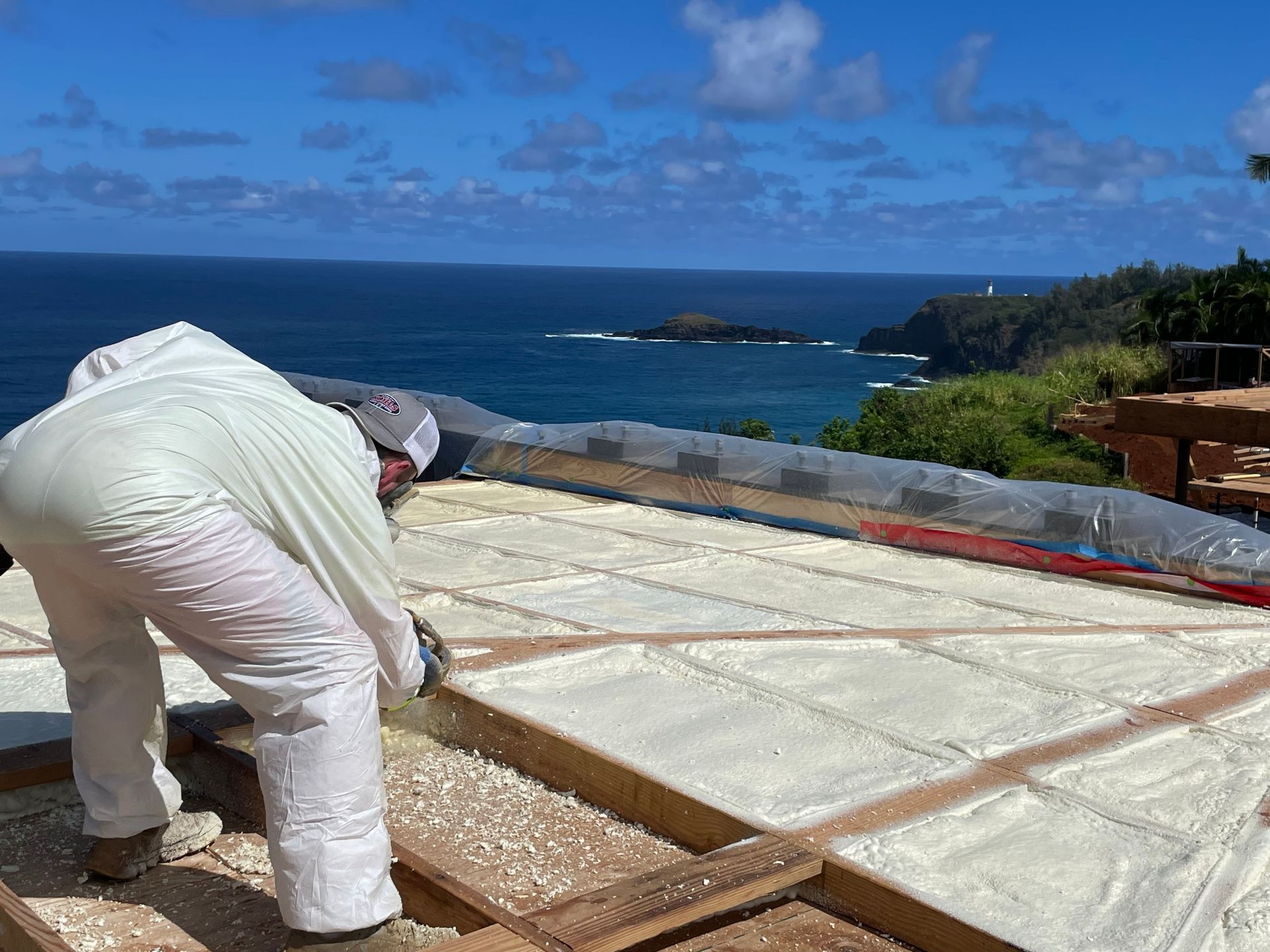
- Applying a coating or spray foam system
This process transforms an aging roof into a high-performance system again.
What Is Metal Roof Replacement?
Metal roof replacement involves removing the entire roofing system and installing a new one from scratch.
This process includes:
- Full tear-off of the existing roof
- Disposal of materials
- Inspection and repair of the roof deck
- Installation of new panels, fasteners, and flashing
While this results in a completely new system, it is far more invasive and costly than restoration.
The Real Cost Difference: Restoration vs Replacement
One of the biggest factors in this decision is cost—and the difference can be substantial.
Restoration Costs
Metal roof restoration is significantly more affordable because:
- No tear-off is required
- Labor is reduced
- Disposal costs are minimal
- Installation is faster
In many cases, restoration costs 50–70% less than a full replacement.
Replacement Costs
Replacement costs are higher due to:
- Demolition and removal of existing materials
- Labor-intensive installation
- Higher material costs
- Potential structural repairs
For large commercial buildings, this can quickly become a six-figure project.
Hidden Costs Most Building Owners Overlook
Beyond the base price, there are hidden costs that often make replacement even more expensive:
- Business disruption and downtime
- Tenant complaints or operational delays
- Increased insurance or liability risks during construction
- Weather-related delays
Restoration avoids many of these issues because it is less invasive.
Installation Timeline and Operational Impact
Restoration
- Typically completed in days
- Minimal noise and disruption
- No exposure to interior spaces
- Safer for occupied buildings
Replacement
- Can take weeks depending on size
- Significant noise and debris
- Risk of weather exposure during tear-off
- Greater impact on daily operations
For warehouses, offices, and retail properties, minimizing disruption is often a top priority.
Performance and Lifespan Comparison
Restored Metal Roof
- Extends lifespan by 10–20+ years
- Can be recoated again in the future
- Improves waterproofing and durability
New Metal Roof
- Lifespan of 30–50 years
- Higher upfront investment
- Will eventually require replacement again
Restoration allows you to delay major capital expenses while still achieving strong performance.
Energy Efficiency and Insulation Benefits
One of the biggest upgrades restoration can provide is improved energy efficiency.
Traditional metal roofs can:
- Absorb heat
- Lose efficiency over time
- Allow air leakage
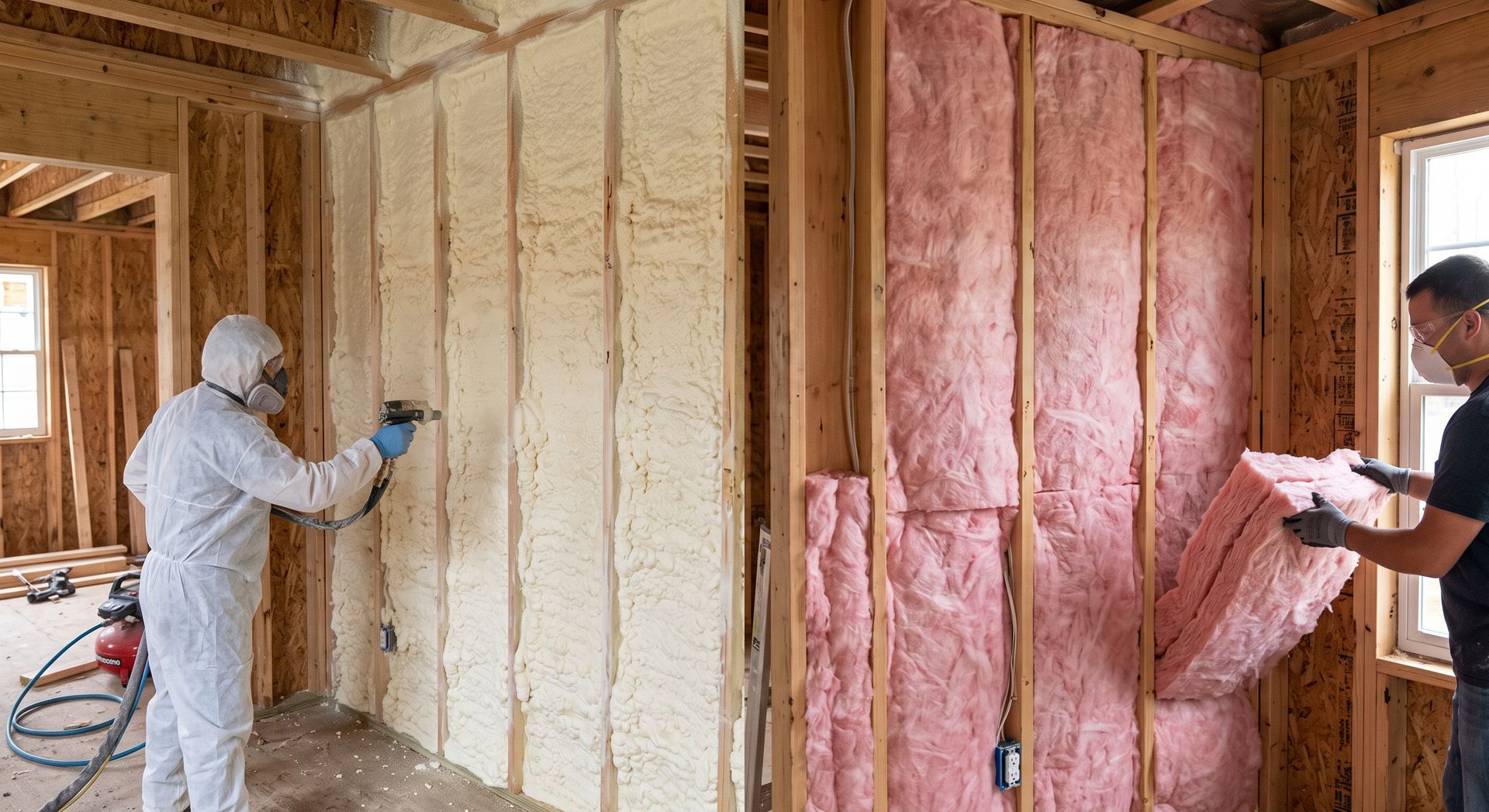
Restoration systems—especially spray foam—can:
- Add insulation (increase R-value)
- Reduce heat transfer
- Lower heating and cooling costs
This is especially valuable in Minnesota, where energy costs fluctuate significantly between seasons.
Common Metal Roof Problems Restoration Can Fix
Metal roofs tend to fail in predictable ways. The good news is that most of these issues can be addressed through restoration.
Common problems include:
- Loose or backed-out fasteners
- Seam separation
- Rust and corrosion
- Minor leaks and water intrusion
- Panel movement due to thermal expansion
Restoration systems are designed to correct and prevent these issues.
When Metal Roof Restoration Is the Best Option
Restoration is ideal when:
- The roof structure is still intact
- Panels are in generally good condition
- Corrosion is surface-level
- Leaks are limited and manageable
- You want to extend the life of your roof
- You want to reduce upfront costs
Many commercial buildings fall into this category, especially those with aging but still functional metal roofs.
When Replacement Is the Better Choice
There are situations where restoration is not enough.
Replacement is necessary when:
- The roof deck is damaged or deteriorated
- Corrosion has compromised structural integrity
- Panels are severely damaged or missing
- There are widespread system failures
- The roof is no longer safe
In these cases, restoration may only provide a short-term fix.
Minnesota Climate Challenges for Metal Roofs
Metal roofs in Minnesota face some of the toughest conditions in the country:
- Heavy snow loads
- Ice buildup and ice dams
- Freeze-thaw cycles
- Rapid temperature swings
These conditions can cause:
- Fastener loosening
- Expansion and contraction damage
- Moisture infiltration
Restoration systems help protect against these issues by creating a more durable and sealed surface.
Environmental and Sustainability Advantages
Restoration is also the more environmentally responsible choice.
Benefits include:
- Reducing landfill waste from tear-offs
- Extending the life of existing materials
- Lowering energy consumption
- Supporting sustainability goals
For businesses focused on ESG or green initiatives, this can be an important factor.
Long-Term Financial Strategy: Restoration as a Phased Approach
Many building owners use restoration as part of a long-term strategy.
Instead of replacing the roof immediately, they:
- Restore the roof now
- Extend its life by 10–20 years
- Recoat periodically
- Delay major capital expenditures
This allows for better budget planning and improved cash flow management.
Frequently Asked Questions
How long does metal roof restoration last?
A properly restored metal roof can last 10–20 years or more, depending on maintenance and coating type.
Is restoration always cheaper than replacement?
In most cases, yes. Restoration is significantly more cost-effective, especially for large commercial roofs.
Can a rusted metal roof be restored?
Yes, as long as the corrosion has not compromised the structural integrity of the roof.
Will restoration stop leaks permanently?
Restoration systems are designed to seal existing leaks and prevent future ones when properly installed.
How do I know if my roof qualifies for restoration?
A professional inspection is required to assess structural condition, moisture levels, and overall viability.
Call to Action
If your metal roof is aging or starting to fail, don’t assume replacement is your only option.
Kohls Foam Systems, Inc. specializes in evaluating and restoring commercial metal roofs to extend their lifespan and improve performance—often at a fraction of the cost of replacement.
Call (612) 708-4111 today or visit:
[Kohls Foam Systems –
https://www.kohlsfoamsystems.com/]
Serving Eden Prairie, Minneapolis, and across Minnesota, as well as Colorado, Florida, Hawaii, and Illinois.
recent posts